Comprehensive analysis of API oil casing: classification, standards and applications
Contents
- Introduction
- What is API Casing?
- Classification of API Casing
- API Casing Standards
- API Line Pipe Specifications
- API Line Pipe Applications
- Top 10 API Pipe Manufacturers Worldwide
- Summary
Introduction
Steel pipe is a common material in the steel industry, widely used in construction, petroleum, chemical, and machinery manufacturing. In the United States, the API has established a series of standards, including the API American Standard steel pipe specifications.
This article provides a comprehensive introduction to API steel pipe, hoping to help customers make informed choices.
For more information about Metleader, please follow us on YouTube and LinkedIn.
What is API Casing?
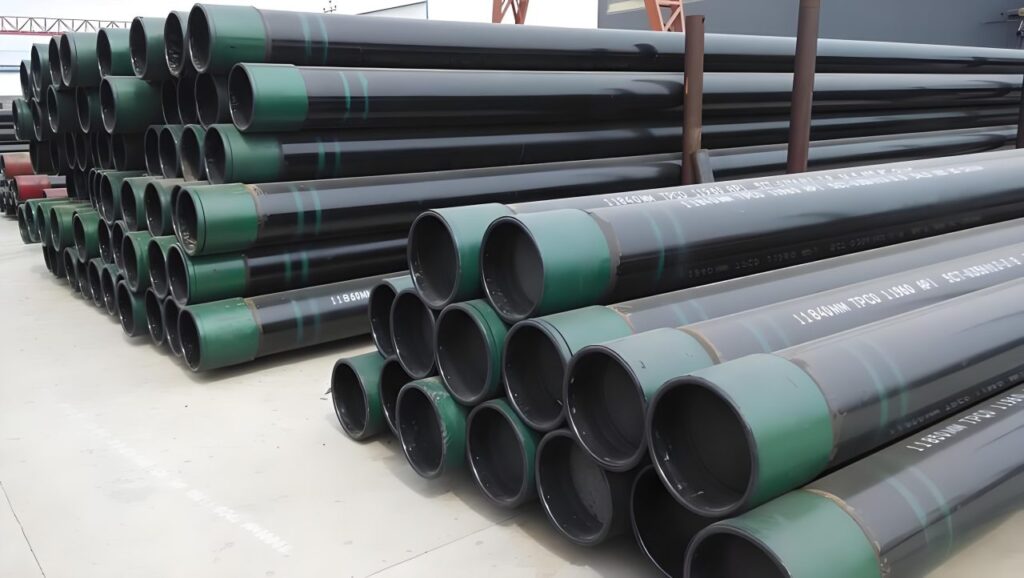
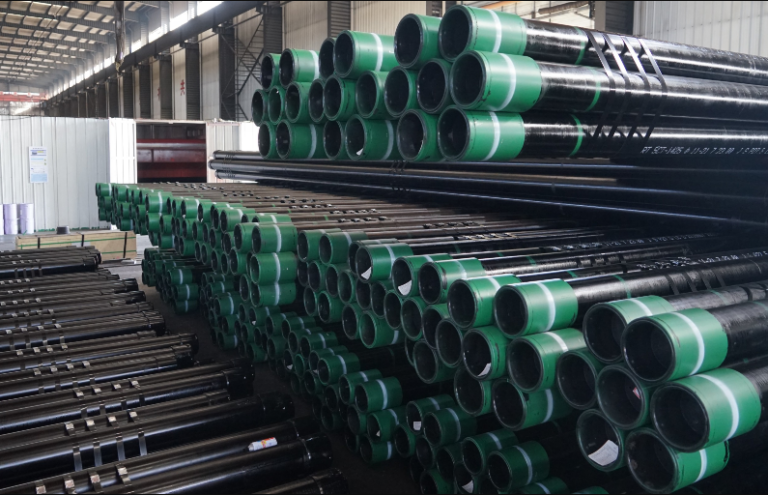
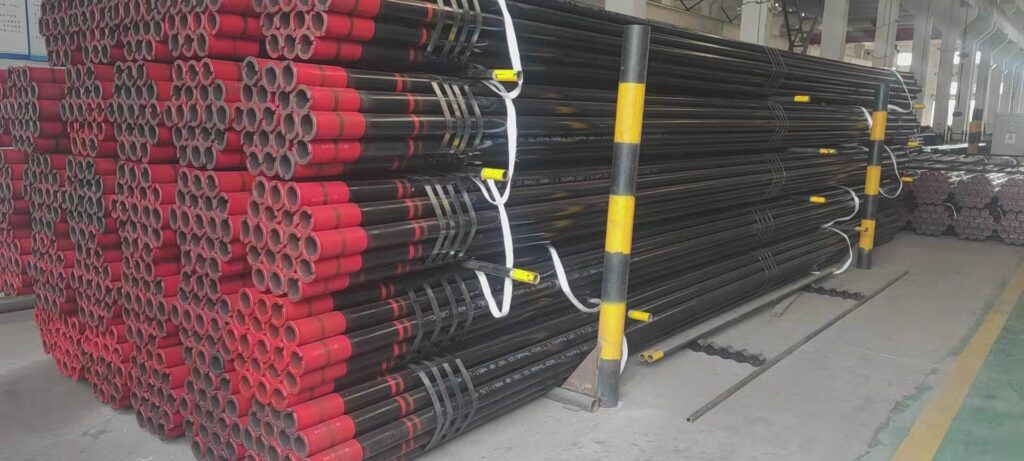
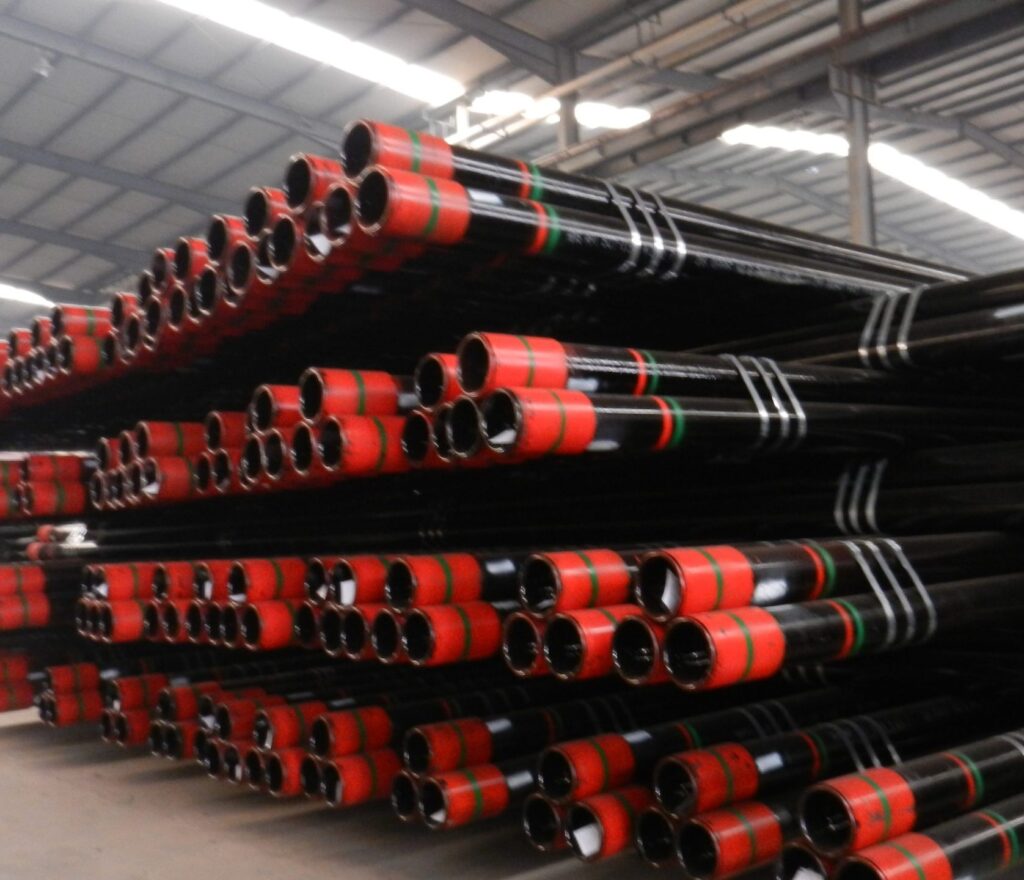
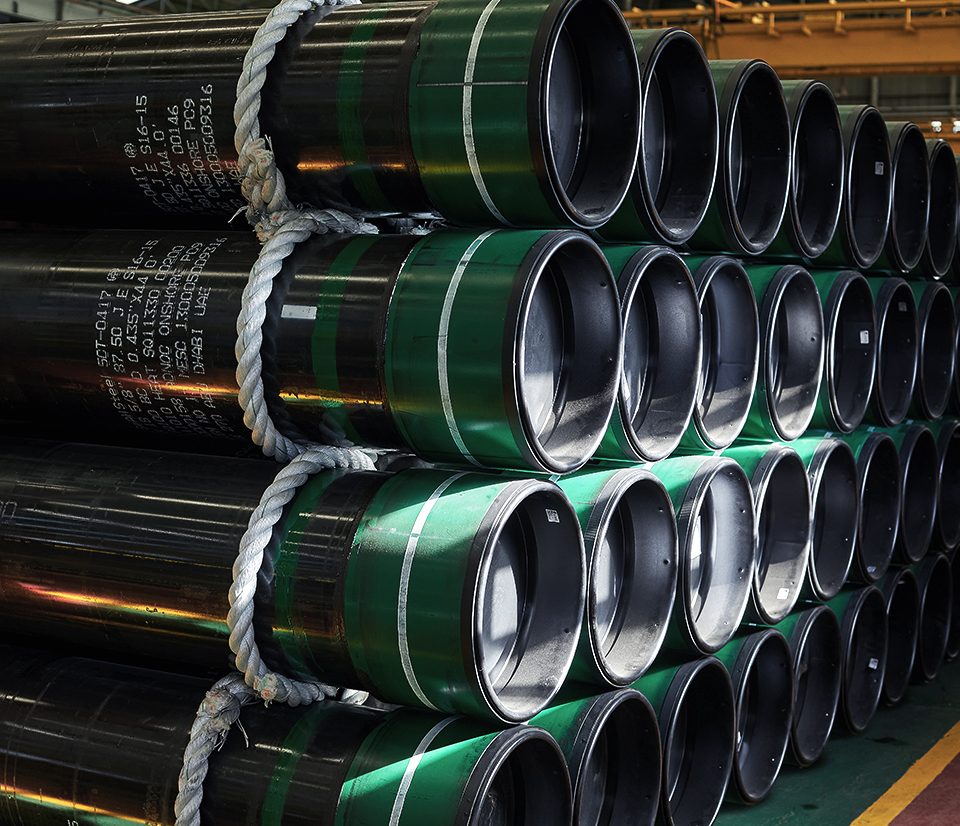
API casing refers to oil well pipe produced according to the standards set by the American Petroleum Institute.
Classification of API Casing
According to different usage environments and requirements, API casing can be divided into many types, such as J55, K55, N80, L80, C90, T95, P110, etc.
API Casing Standards
API casing has very strict standards, which are mainly divided into the following aspects:
Casing Material Standards
Casing material standards are the foundation of casing manufacturing and primarily involve the metal, plastic, and composite materials used.
Currently, the most widely used standards internationally are API SPEC 5CT and ISO 11960.
Casing Manufacturing Standards
Casing manufacturing standards primarily refer to the production process and quality control standards.
These standards provide detailed provisions for ensuring casing quality, inspection, and testing methods. Key standards include API SPEC 5CT, ISO 11960, and API RP 5A5.
Casing Usage Standards
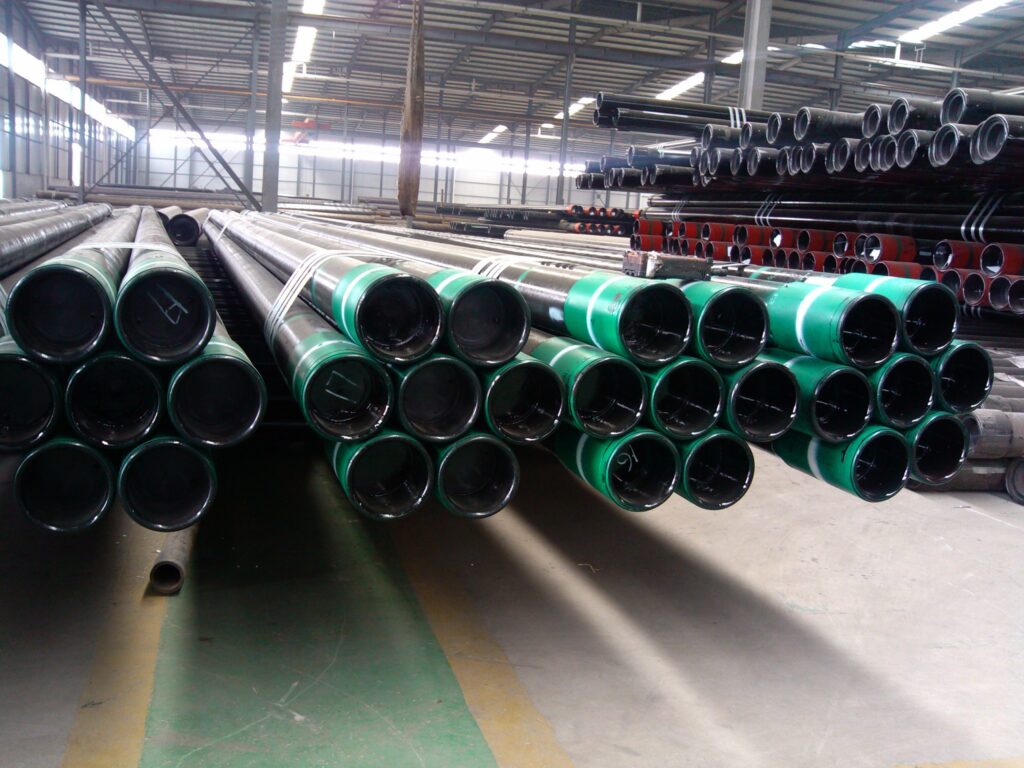
During use, casing must comply with applicable standards and undergo necessary testing to ensure oilfield production safety and its lifespan.
Key standards include API RP 5C1, API RP 5A3, and ISO 10405.
Casing Size Standards
Casing size standards specify the specifications and dimensions of casing to ensure compatibility with wellbore dimensions and depths, preventing problems during use.
Key standards include API SPEC 5CT and ISO 11960.
Casing Joint Standards
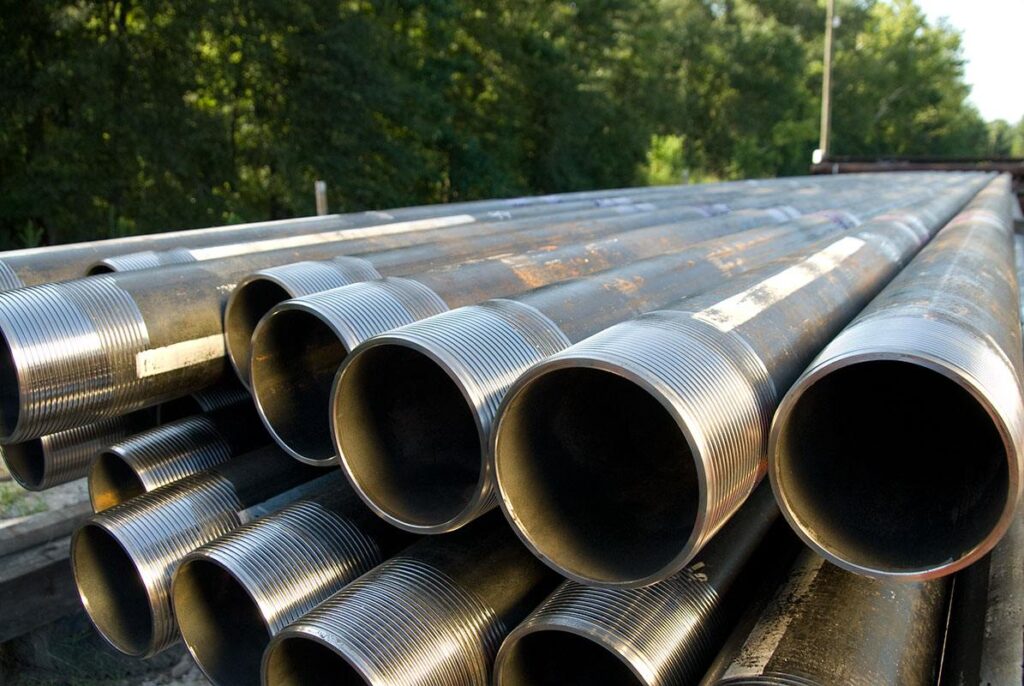
Casing joint standards specify the methods and standards for connecting casing to ensure connection quality and interchangeability.
Key standards include API SPEC 5CT and ISO 11960.
API Line Pipe Specifications
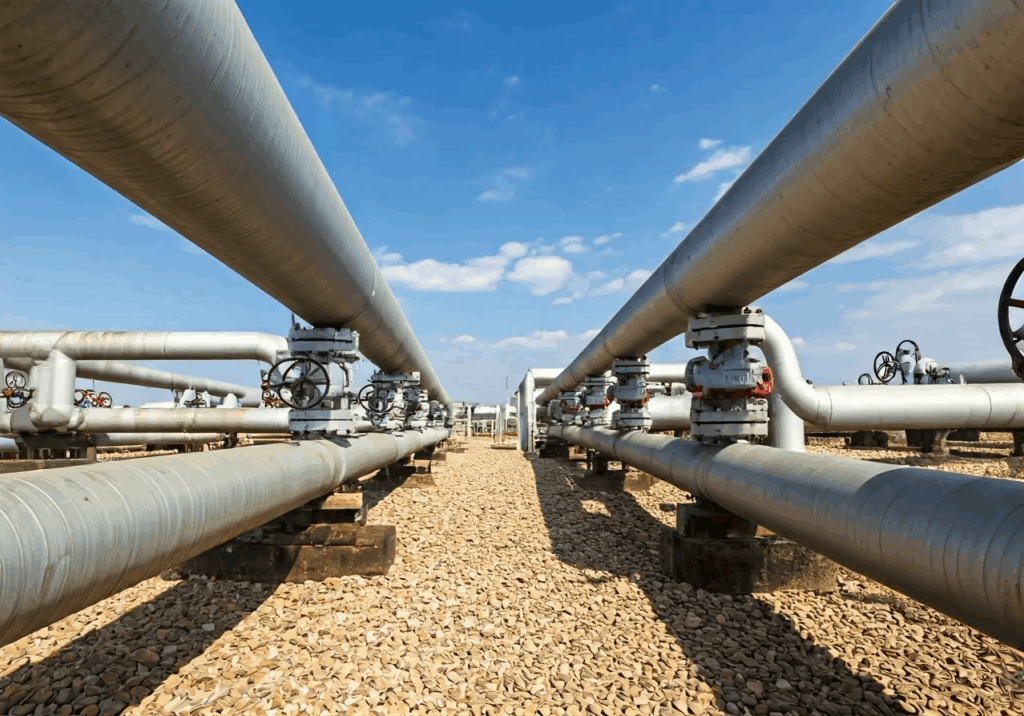
API 5L: A standard for steel line pipe used to transport natural gas and petroleum, divided into API 5LPSL1 and API 5LPSL2.
API 5CT: A standard primarily used for oil well casing and tubing, ensuring the safety and reliability of well pipe during oil and gas production.
API 5DP: A standard for drill pipe used in oilfield drilling, ensuring efficient drilling operations.
API Line Pipe Applications
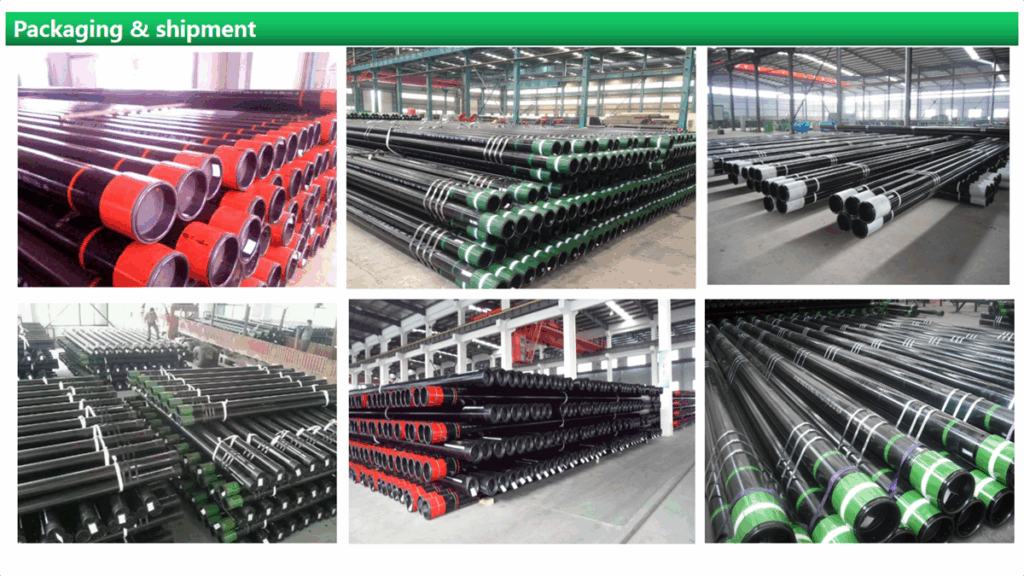
Oil and Gas Transportation: API line pipe plays a vital role in the transportation of oil and natural gas. With the development of the oil and gas industry, demand for line pipe continues to increase.
New Energy: With the rise of new energy sources such as wind power and solar power, demand for high-strength, corrosion-resistant API line pipe is increasing.
Top 10 API Pipe Manufacturers Worldwide
| Company Name | Founded | Main Products |
| Tubacero | – | API line pipes, OCTG pipes |
| Omega Steel | – | API 5L pipes (hot-rolled, cold-drawn, cold-rolled) |
| Trio Steel | – | API pipes for gas and oil transportation |
| Corpac Steel | – | API 5L steel pipes |
| Multi Metals India | – | API 5L pipes, carbon steel pipes |
| EUROPIPE | – | Large-diameter API pipes for oil and gas transport |
| MRC Global | – | API pipes for various industrial applications |
| IPP Group | – | API line pipes, pipeline fittings |
| Metleader Pipeline | 2005 | API 5L submerged arc welded (SAW) straight seam pipes, LSAW pipes |
| Steel Pipes & Tubes Ind. | 2014 | API 5L pipes, carbon steel pipes, alloy steel pipes |
Summary
API (American Standard) steel pipe specifications are commonly used in the steel pipe industry, covering steel pipes for various applications, such as conveying pipe, casing, and drill pipe.
These steel pipes, characterized by high strength, corrosion resistance, and excellent weldability, are widely used in the petroleum, chemical, construction, and machinery manufacturing industries.
Understanding the characteristics and applications of API (American Standard) steel pipe specifications will help us make the right choices and applications in relevant fields, ensuring project quality and safety.