Cross pipe fitting basics: materials, specifications, applications and features
Contents
- Introduction
- What is a Cross?
- Classification of Cross Pipe Fittings
- Material of Cross Pipe Fittings
- Applications of Cross Pipe Fittings
- Equal Diameter Cross vs Reducing Diameter Cross Pipe Fittings
- How to Choose a Cross Pipe Fitting
- FAQ
- Summary
Introduction
Crosses are essential components in piping systems, fulfilling the crucial role of connecting and diverting flows.
Below, we’ll provide a detailed explanation of crosses, including their definition, classification, applications, and selection. We hope this article will help you better select the right pipe fitting for your project.
If you’d like to learn more about Metleader products, please follow us on YouTube and LinkedIn.

What is a Cross?
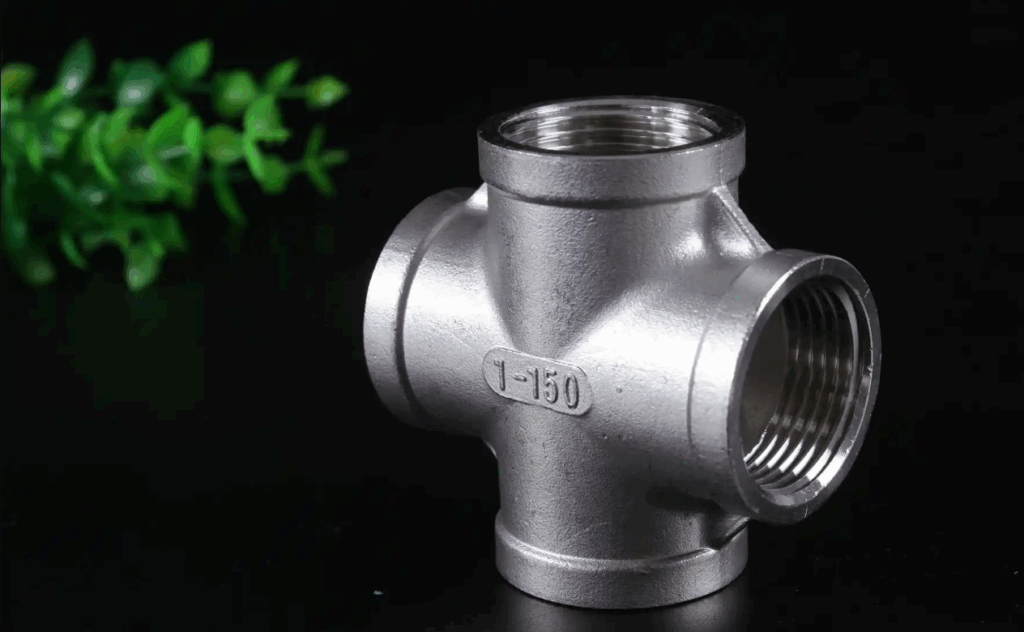
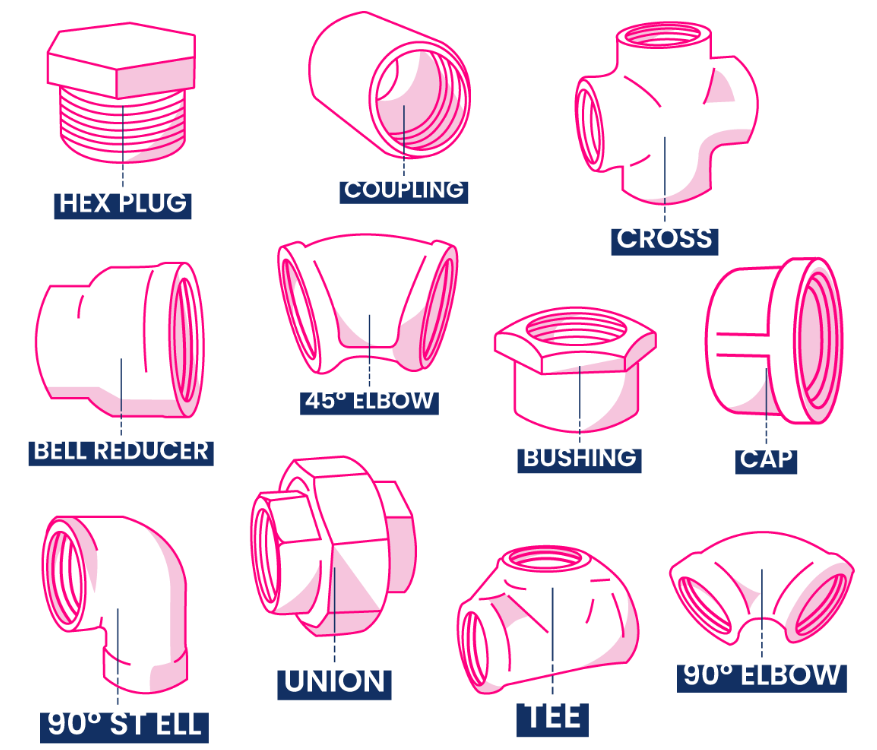
The pipe cross is a key component in the pipeline system used to connect four pipes. It has a “cross” structure and can achieve multi-directional diversion or convergence.
Classification of Cross Pipe Fittings
According to industry standards, cross pipe fittings are mainly classified according to the following dimensions:
Classification by Material
Metals: Carbon steel, stainless steel, and alloy steel are suitable for high-pressure and high-temperature environments.
Non-metals: PVC, PPR, and fiberglass are primarily used in corrosive environments or for low-cost applications.
Classification by Structural Form
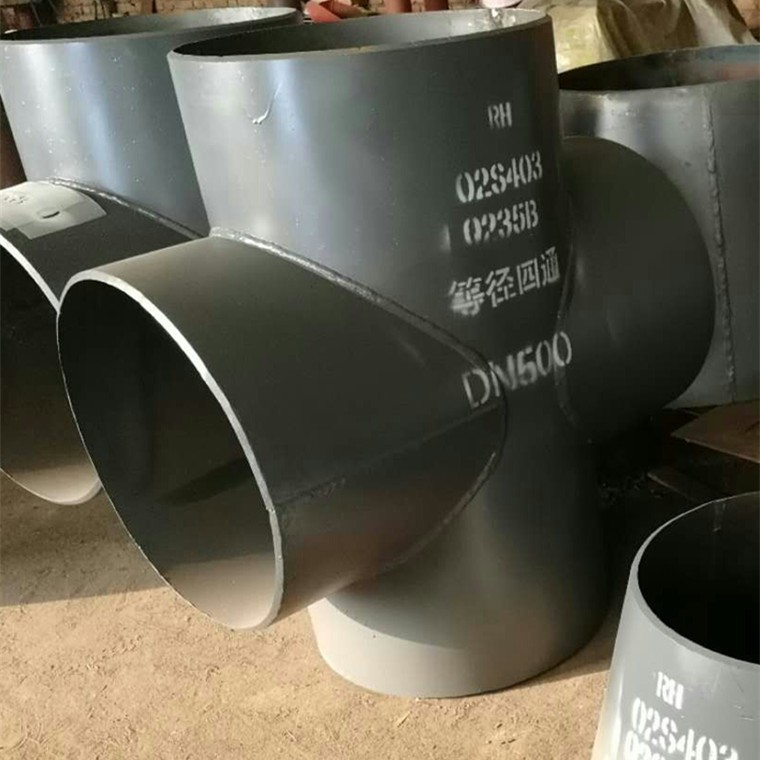
Equal-diameter cross: All four ports have the same diameter, ensuring even flow distribution.
Reducing-diameter cross: The main and branch pipes have different diameters, accommodating variable flow requirements.
Classification by Connection Method
Welded: Socket or butt welding for strong sealing.
Flanged: PN16/PN25 pressure rating, easy to disassemble and maintain.
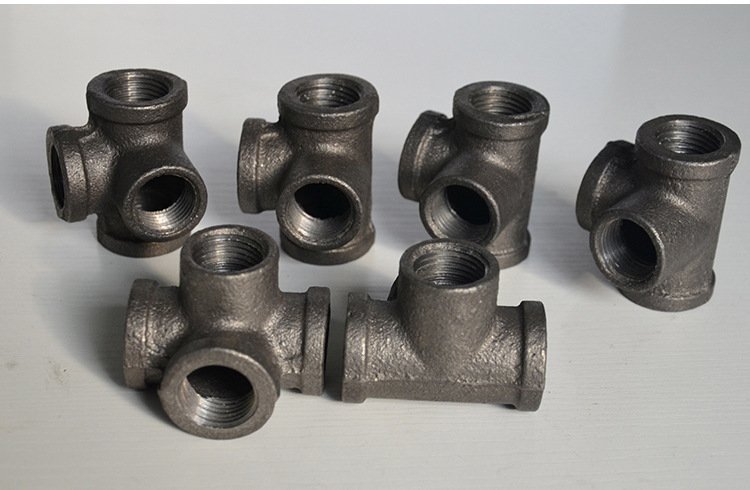
Threaded: Suitable for small-diameter (DN ≤ 50) low-pressure pipes, such as domestic gas pipes.
Material of Cross Pipe Fittings
Stainless steel: Highly corrosion-resistant, suitable for the chemical and food industries, with a pressure resistance of up to 16 MPa.
PVC: Lightweight and low-cost, often used in drainage systems, but with poor temperature resistance.
Carbon steel: High mechanical strength, commonly used in industrial piping, requiring rust-proofing.
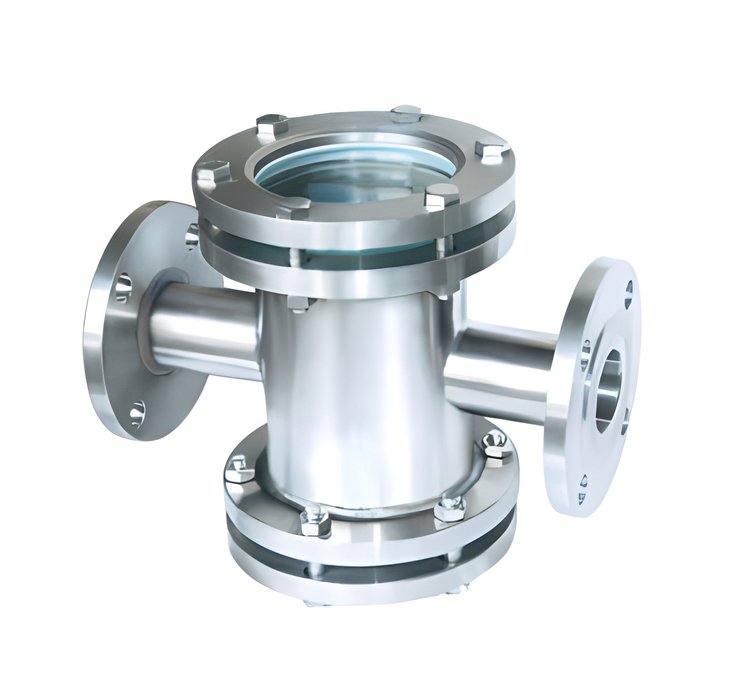
Applications of Cross Pipe Fittings
Cross-shaped pipe fittings are primarily used in the following areas:
Oil and natural gas transportation: Connecting branch lines in long-distance pipelines.
Chemical production systems: Distributing media in equipment such as reactors and distillation towers.
Building water supply and drainage and HVAC: Distributing hot and cold water in central air conditioning systems and connecting branch lines in residential drainage networks.
Power and energy engineering: In thermal power plant circulating water piping, cross-shaped pipe fittings can reduce welds and improve system sealing.
Equal Diameter Cross vs Reducing Diameter Cross Pipe Fittings
| Feature | Equal Tee | Reducing Tee |
| Branch Size | Same as run size | Smaller than run size |
| Flow Distribution | Equal split (50/50) | Unequal flow (branch reduced) |
| Pressure Drop | Minimal and symmetrical | Higher at reduced branch |
| Stress Concentration | Uniform distribution | Higher at branch-to-run transition |
| Parameter | Equal Tee | Reducing Tee |
| Standard Reference | ASME B16.9 | ASME B16.9 |
| Common Uses | Main header divisions | Branch connections to smaller lines |
| Cost Factor | Lower (simpler manufacturing) | Higher (complex geometry) |
| Size Availability | All standard sizes | Limited larger size combinations |
| Installation | No orientation requirement | Must check branch direction |

How to Choose a Cross Pipe Fitting
Media Characteristics: Corrosive fluids require acid- and alkali-resistant materials (such as PVDF cross-type pipes).
Temperature/Pressure: Glass-fiber-reinforced PPR (pressure resistance ≥ 2.0 MPa) is preferred for high-temperature steam pipes.
Installation Space: Compact side cross-type pipes are suitable for narrow areas.
FAQ
Q1: Is a cross considered a pipe fitting?
According to the definition and classification of the cross, it can be determined that the cross is a pipe connector, so it belongs to the category of pipe fittings.
As a special form of pipe fittings, the cross is used in a wide range of occasions and can meet the needs of different pipe connections.
Q2: What are the common crosses used in hot melt piping systems?
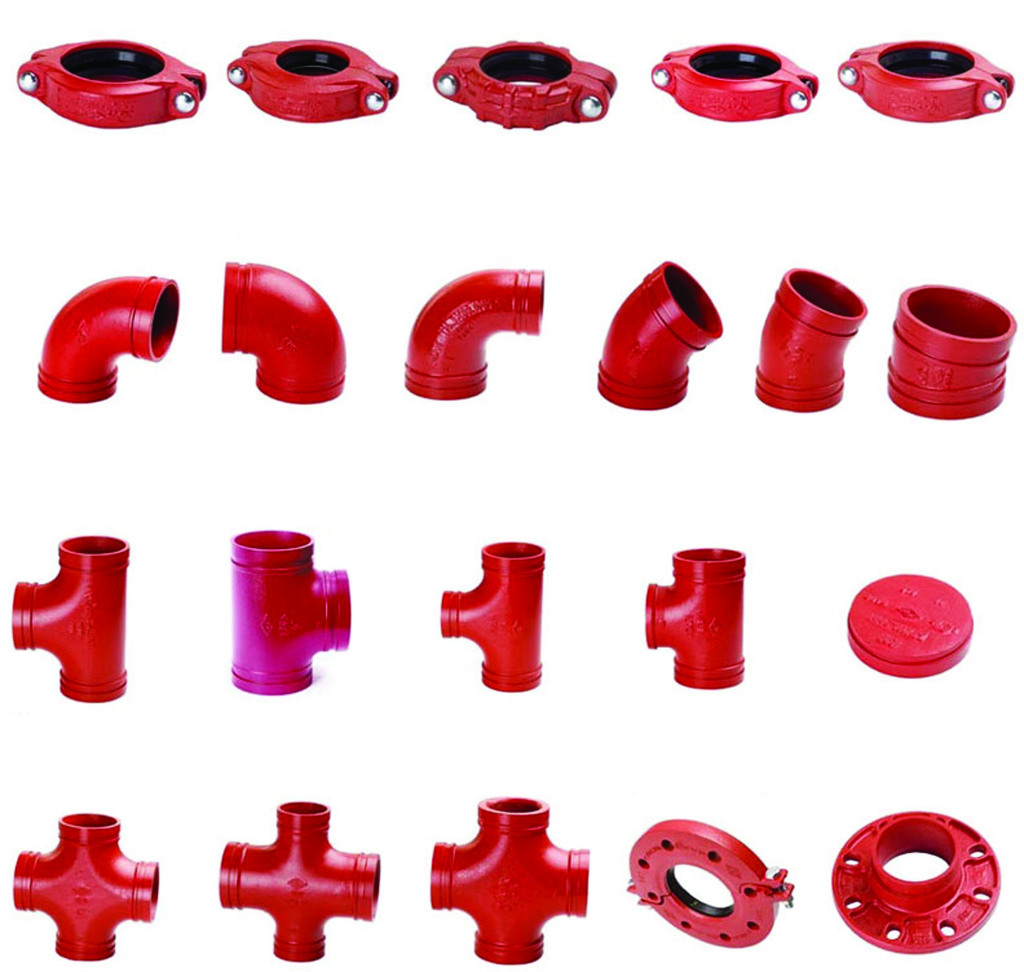
Hot-melt crosses are key components in pipe connections, primarily used to divert or merge fluids. Based on their structure and function, they are commonly found in four types:
- Equal-diameter crosses
- Reducing-diameter crosses
- Side-connector crosses
- Flanged crosses
Summary
In summary, cross-shaped pipe fittings play an indispensable role in industrial piping systems.
By gaining a deeper understanding of their classification and application areas, we can better understand and utilize these important pipe fittings, contributing to industrial development.
Metleader specializes in the production of cross-shaped pipe fittings, offering high quality at competitive prices. With extensive manufacturing experience, we can customize them to meet customer requirements, providing complete solutions.
For the latest prices on cross-shaped pipe fittings, please contact us.