Beginner’s Guide: Duplex Stainless Steel Flanges
Table of contents
- Preface
- What is a duplex stainless steel flange?
- Applications of duplex stainless steel flanges
- Advantages of duplex stainless steel flanges
- Features of duplex stainless steel flanges
- Material standards for duplex stainless steel flanges
- Installation specifications for duplex stainless steel flanges
- Troubleshooting for duplex stainless steel flanges
- Summary
Preface
Duplex steel flanges are a critical component of industrial piping systems, and their selection, installation, and maintenance significantly impact the safe and stable operation of the system.
This article will comprehensively analyze the relevant knowledge of duplex steel flanges from aspects such as material properties, application scenarios, product advantages, material standards, and installation specifications, hoping to provide some assistance to everyone.
If you want to learn more about Metleader, you can follow us on YouTube and LinkedIn.
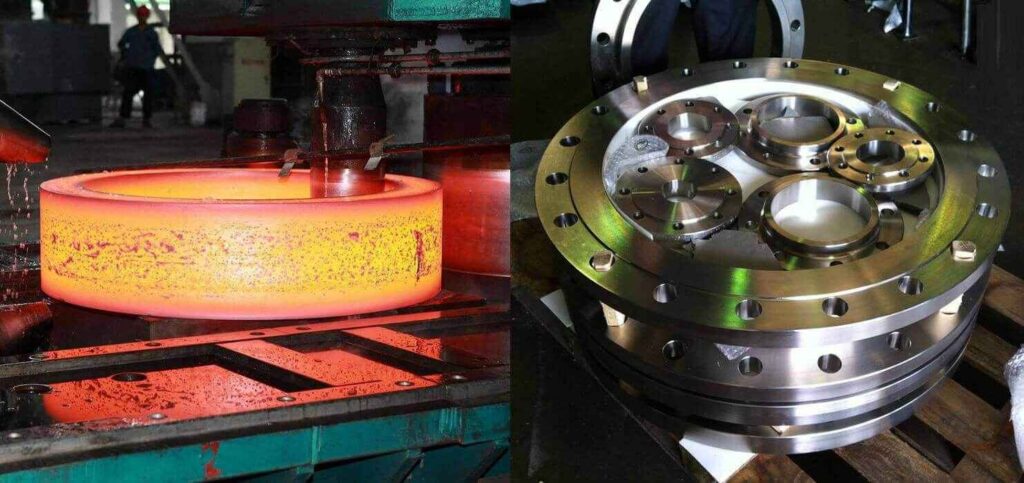
What is a duplex stainless steel flange?
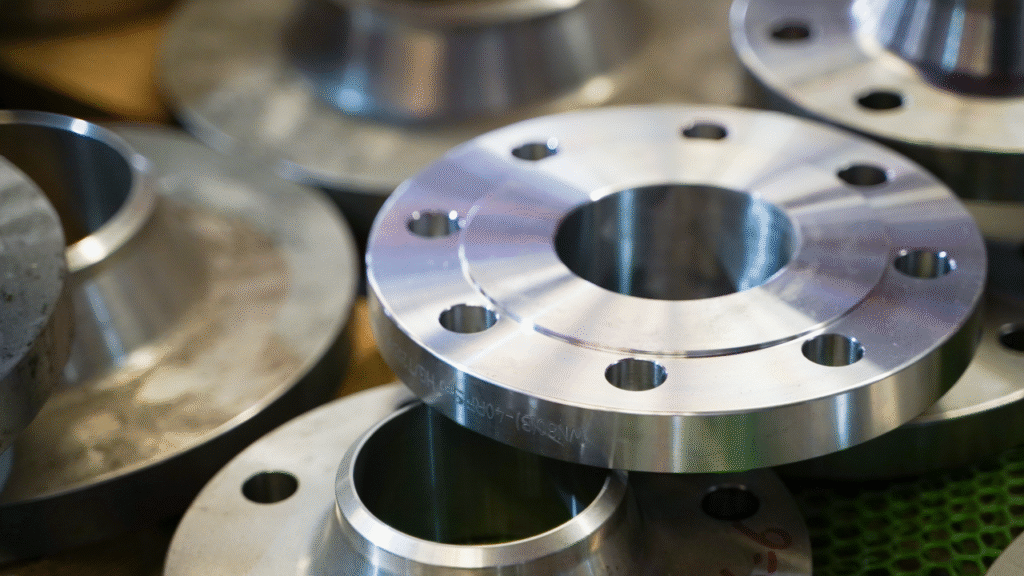
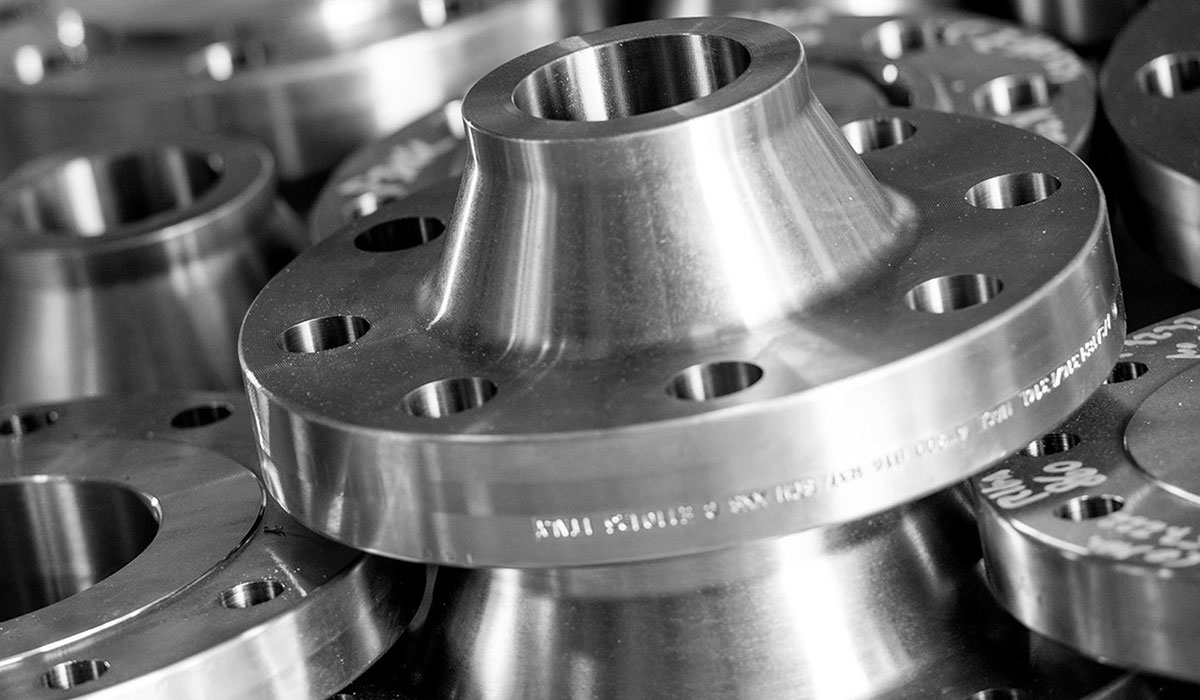
Duplex steel flanges are flanges made of duplex steel, whose main material is an alloy with high strength and toughness.
The main characteristics of duplex steel flanges are corrosion resistance, wear resistance, high temperature resistance, and strong oxidation resistance.
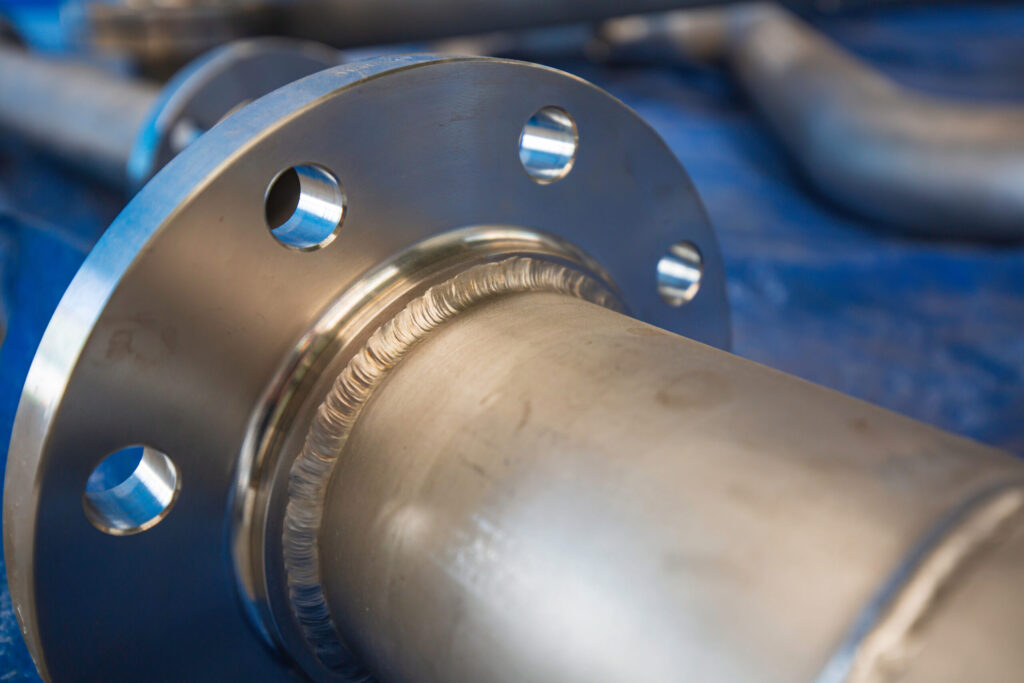
Applications of duplex stainless steel flanges
Duplex steel flanges have wide applications in chemical, petroleum, natural gas transportation, marine engineering, and machinery manufacturing industries.
In oil and natural gas pipelines, duplex steel flanges are commonly used to connect pipes and valves.
In marine engineering, duplex steel flanges are used to connect drilling platforms and seabed facilities. In machinery manufacturing, duplex steel flanges are used to connect rotating and stationary equipment.
Advantages of duplex stainless steel flanges
The advantages of duplex stainless steel flanges are as follows:
High pressure resistance
The structural design of duplex steel flanges gives them strong pressure-bearing capacity, enabling them to meet the requirements of high-pressure working environments.
They perform excellently in pipeline connections for high-temperature, high-pressure, and corrosive media, ensuring the long-term stable operation of pipeline systems.
Good sealing performance
Duplex steel flanges utilize the principle of surface sealing, using gaskets to fill the uneven areas on the sealing surface to achieve effective sealing, prevent fluid leakage, and ensure safe and stable operation during production.
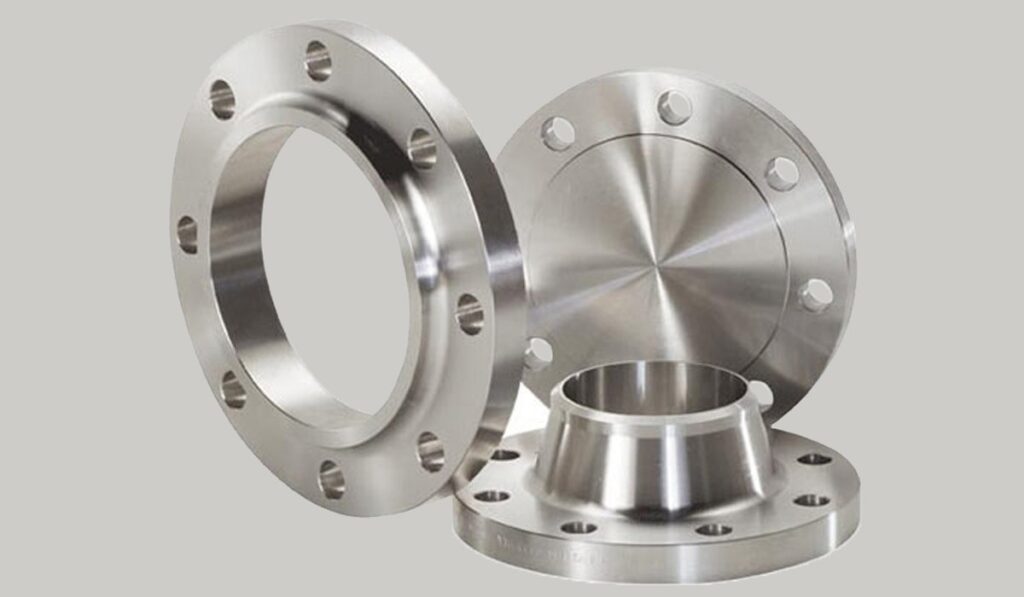
Multiple connection methods
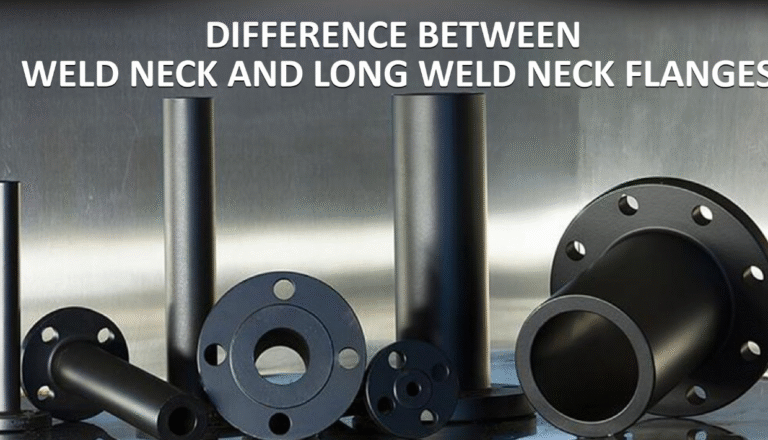
Duplex steel flanges can be selected with appropriate connection methods according to different needs, such as threaded connection, welded connection, etc., to adapt to different working environments and process requirements.
Economical
Duplex steel flanges have relatively low manufacturing costs and are easy to assemble using fastening methods such as screws or nuts, which improves production efficiency and reduces production costs.
Tight connection
Duplex steel flanges are made by tightly connecting two duplex steel flanges together with bolts or other fasteners to form a robust mechanical connection, ensuring a stable connection between pipelines and equipment.
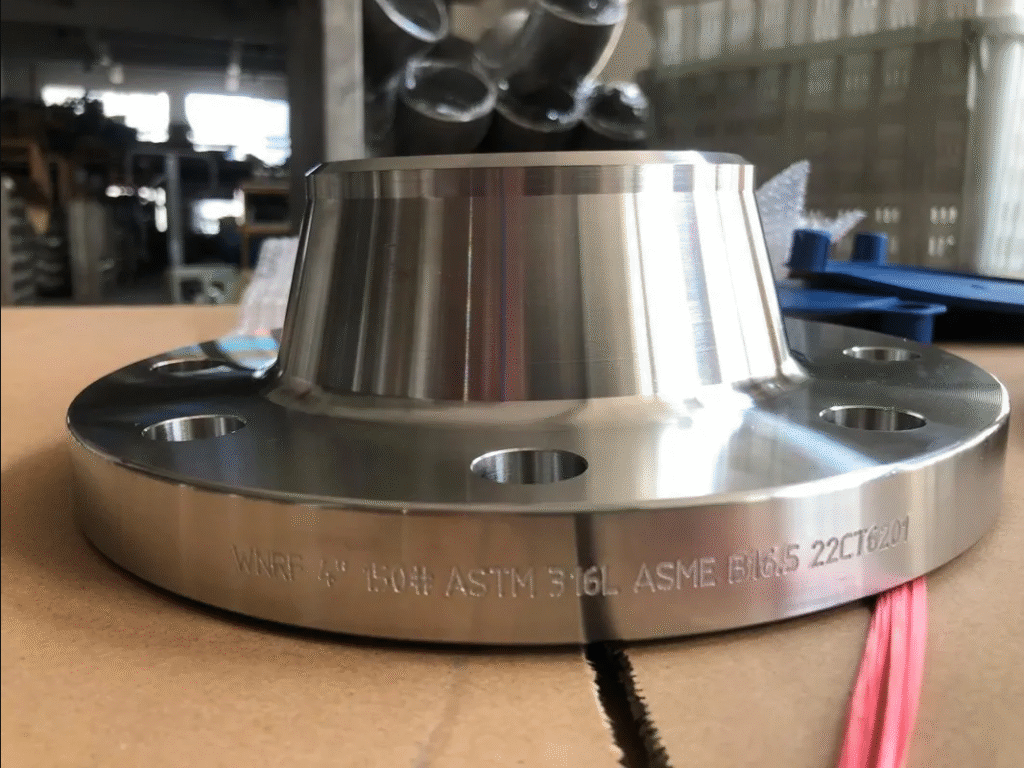
Features of duplex stainless steel flanges
Duplex steel flanges are characterized by high temperature resistance, long service life, corrosion resistance, good stability, and high reliability.
Material standards for duplex stainless steel flanges
Duplex stainless steel flanges, due to their austenitic-ferritic duplex structure, possess both high strength and excellent corrosion resistance.
Mainstream material standards include:
- ASTM A182 F51/F53: F51 (UNS S31803) contains 22% chromium and 5% nickel, suitable for normal corrosive environments; F53 (UNS S32750) contains 25% chromium and 7% nickel, with a pitting resistance equivalent PREN ≥ 40 (according to NACE MR0175 standard).
- EN 1.4462: Corresponding to ASTM F51, the European standard specifies a carbon content ≤ 0.03% to ensure weldability.
- GB/T 20878-2007: The Chinese national standard requires duplex steel flanges to have an impact energy ≥ 40J (tested at -46℃).

Installation specifications for duplex stainless steel flanges
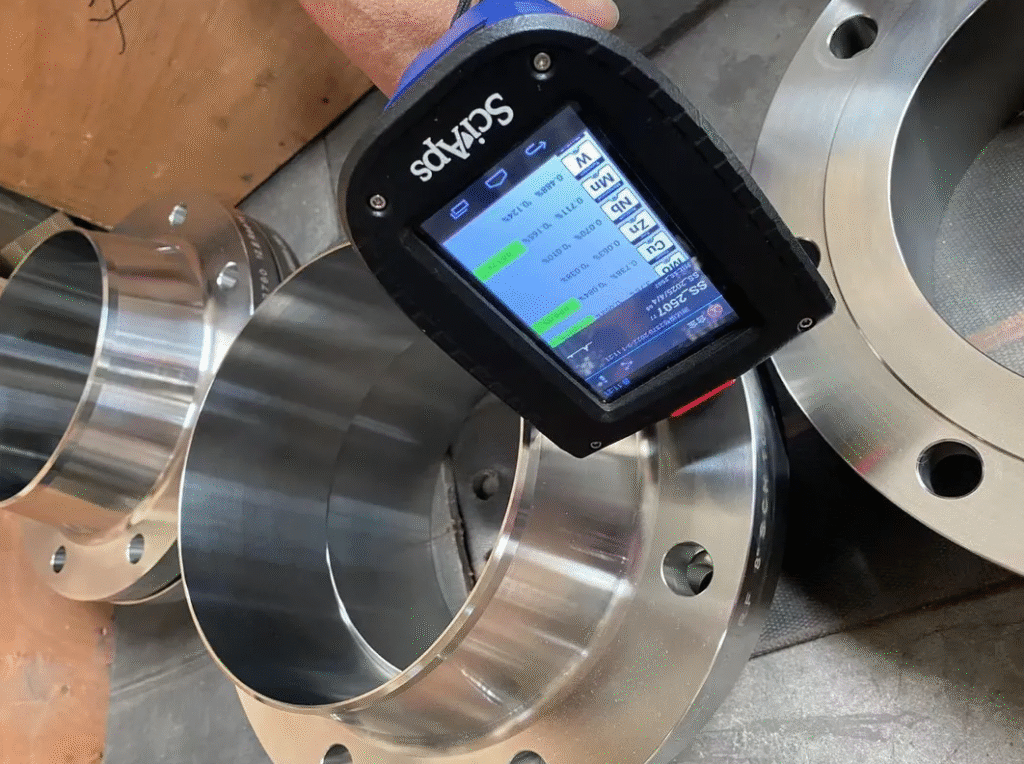
- Pre-treatment: Before installation, verify the material certificate, check that the sealing surface is smooth and free of scratches, and remove rust and oil stains.
- Alignment: Use specialized tools to ensure the two flanges are parallel and aligned. The center error of the bolt holes must be less than the specified value.
- Tightening: Tighten the bolts gradually in a diagonal sequence. It is recommended to use a torque wrench to ensure even force distribution. The final torque value must meet the design specifications; over-tightening may cause the gasket to fail.
- Welding Requirements: When installing butt-welded flanges, use matching welding materials and processes. After welding, perform non-destructive testing to ensure quality.
Troubleshooting for duplex stainless steel flanges
Leakage Handling: First, try tightening the bolts evenly. If this is ineffective, replace the gasket.
Corrosion Protection: Regularly remove surface deposits and apply a protective coating to surfaces not in contact with the medium.
Disassembly Precautions: After shutdown, completely depressurize and cool down. Use specialized tools to separate the flange faces, avoiding forceful disassembly that could damage the sealing surfaces.
Summary
The correct selection, standardized installation, and maintenance of duplex flanges are crucial for the safe operation of industrial piping systems.
Users need to make informed decisions based on their specific operating conditions and professional technical advice.
Through this systematic analysis, we hope to provide technical guidance and help improve equipment management and operational efficiency.
If you have further questions about flanges, please contact Metleader engineers for more detailed solutions and advice.