
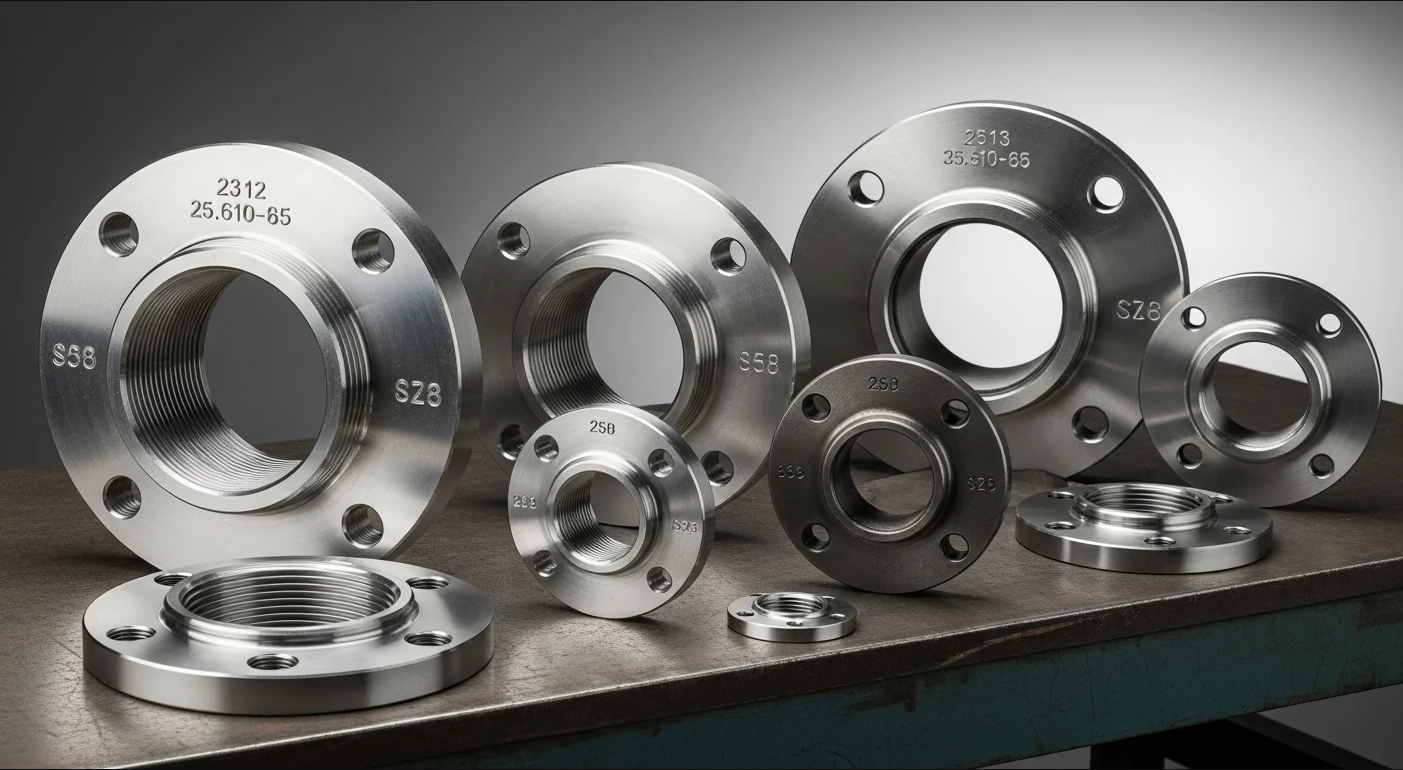
Threaded flanges: sizes, applications, connections, and selection
Table of contents
- Preface
- Definition of Threaded Flanges
- Types of Threaded Flanges
- Threaded Flange Size Chart
- Applications of Threaded Flanges
- Connecting Threaded Flanges
- How to Choose a Threaded Flange
- Threaded Flanges vs Welded Flanges
- Why Choose Metleader
Preface
With the rapid development of industry, flanges have become widely used, among which threaded flanges are one of the most widely used pipe fittings. Metleader exports thousands of tons of threaded flange products every year.
Today, this article will provide a detailed introduction to the types, applications, sizes, and selection of threaded flanges, hoping to help you make better choices.
If you would like to learn more about Metleader, you can visit our YouTube channel and LinkedIn.
Definition of Threaded Flanges
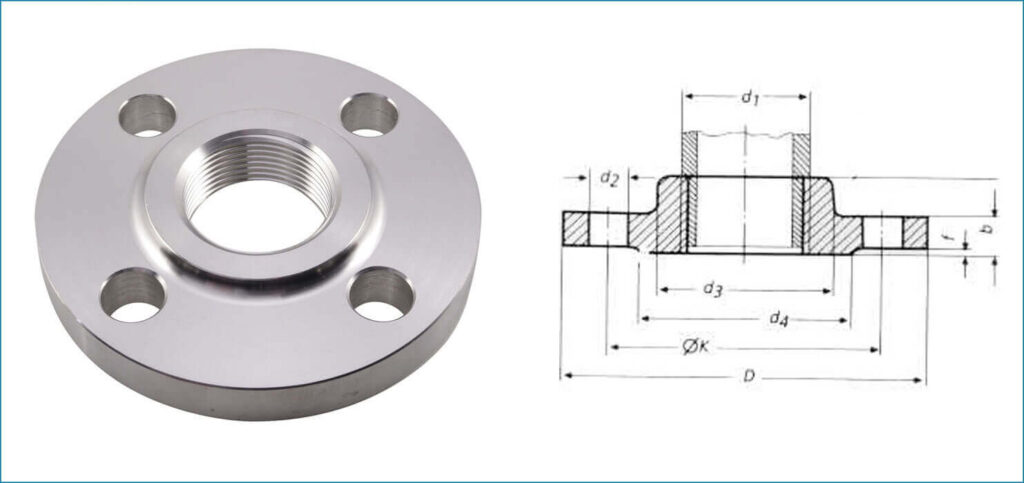
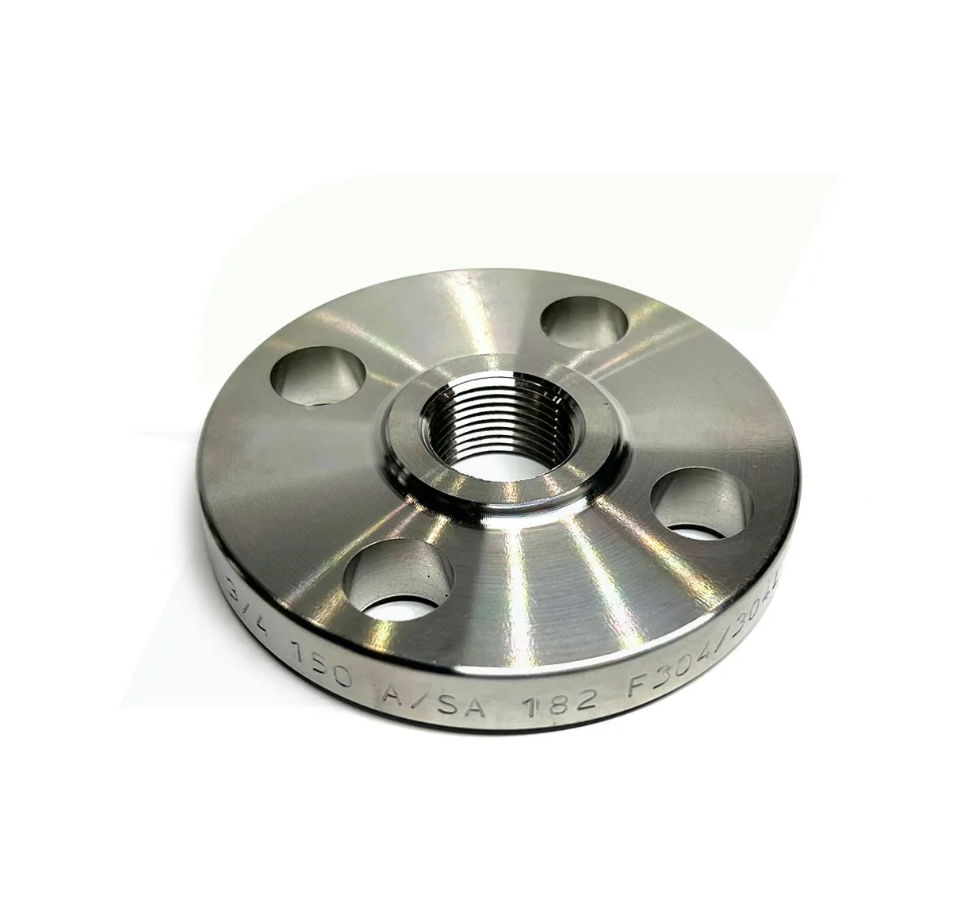
A threaded flange is a mechanical component that uses internal threads machined into a pipe hole to achieve a non-welded connection with a threaded pipe, and it belongs to the category of detachable connection methods.
Types of Threaded Flanges
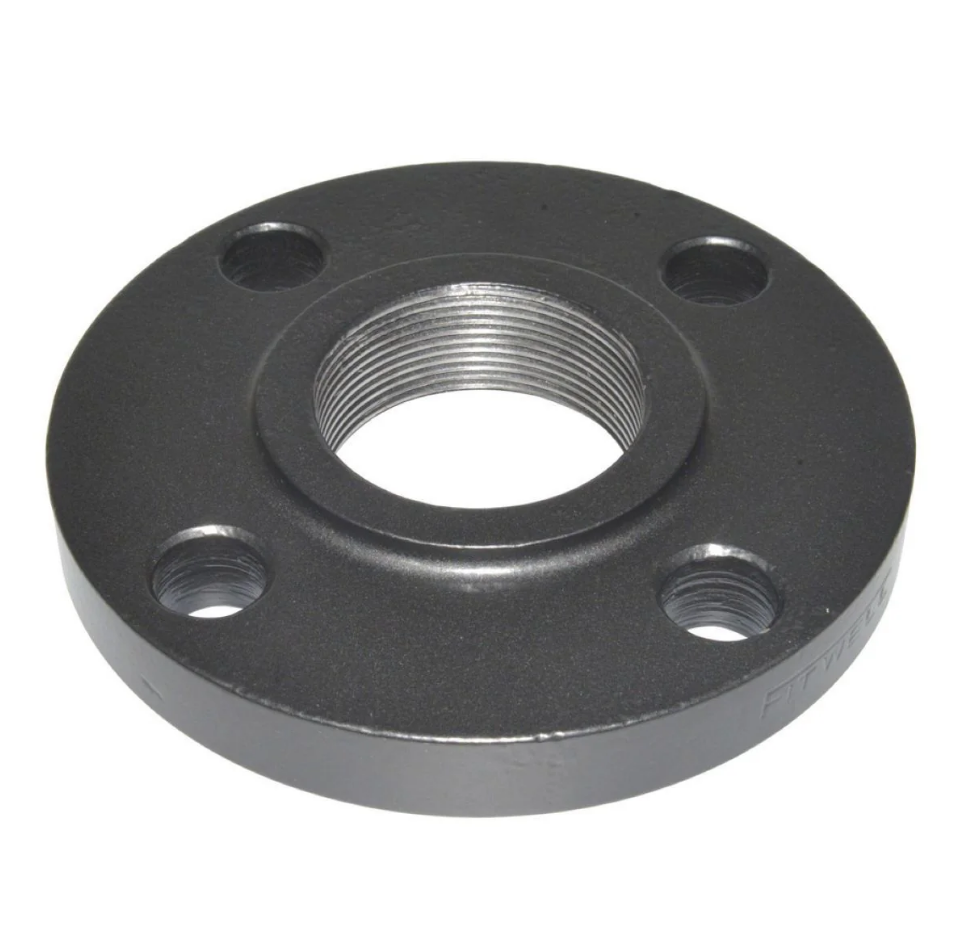
Based on the structure of threaded flanges, we can divide threaded flanges into two types: necked threaded flanges and plate threaded flanges.
Necked Threaded Flanges
The flange neck features a tapered design, which enhances thread engagement strength, improves connection rigidity and sealing reliability, and is suitable for applications requiring higher pressure or more stable connections.
Plate Threaded Flanges
With a relatively simple structure, the flange is directly connected to the pipe end thread, making it suitable for low-pressure, non-critical piping systems.
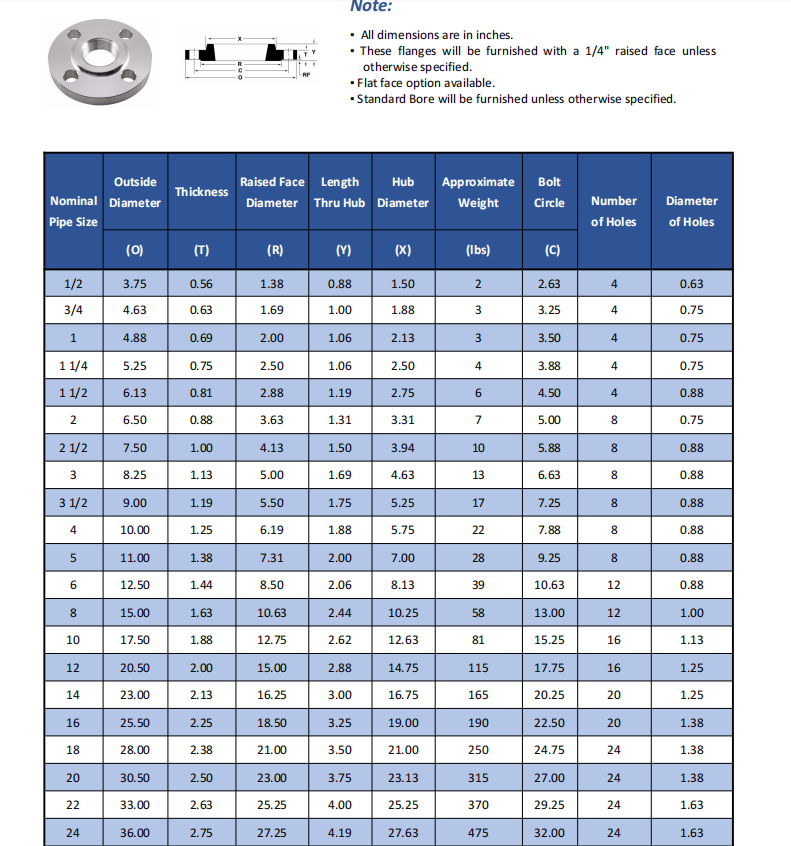
Threaded Flange Size Chart
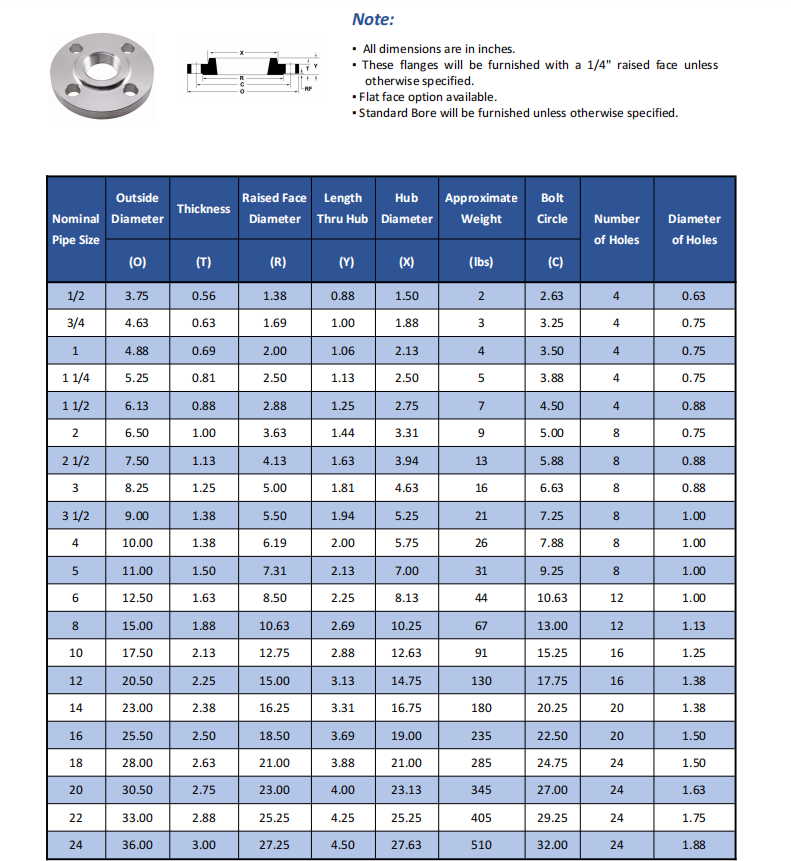
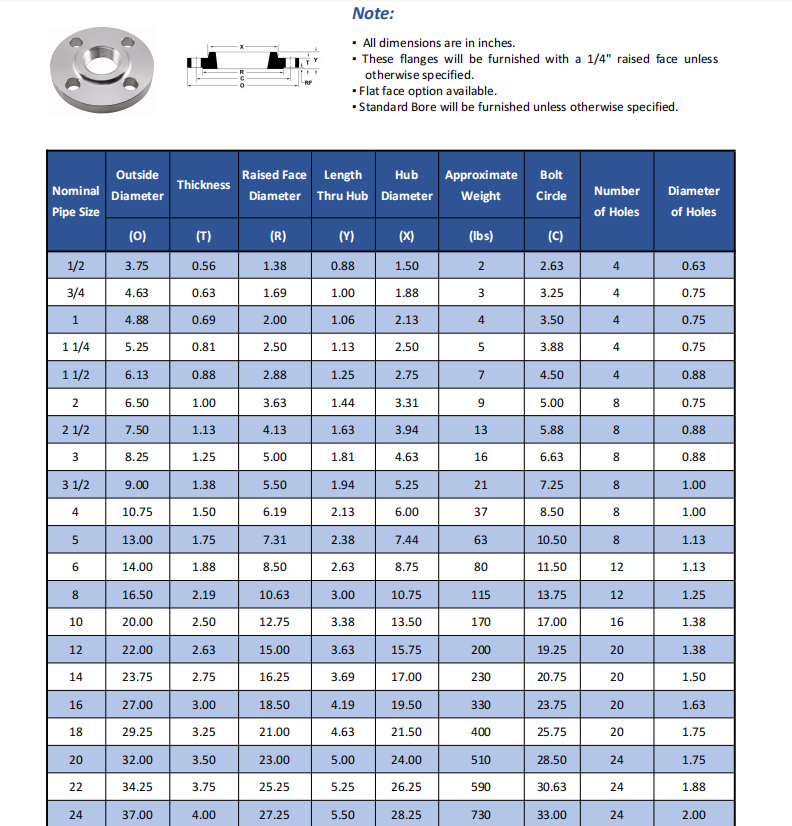
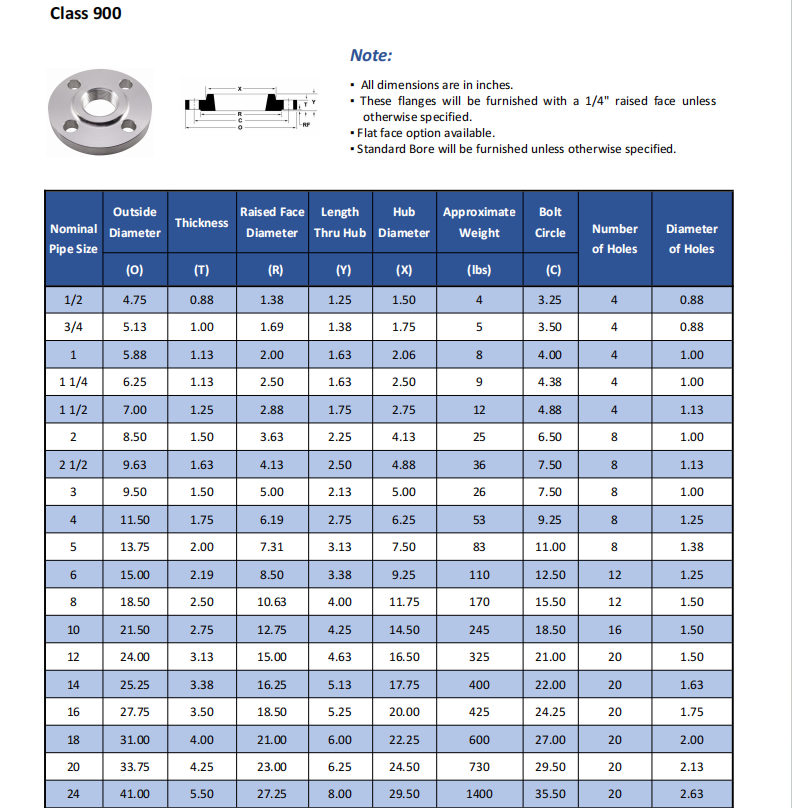
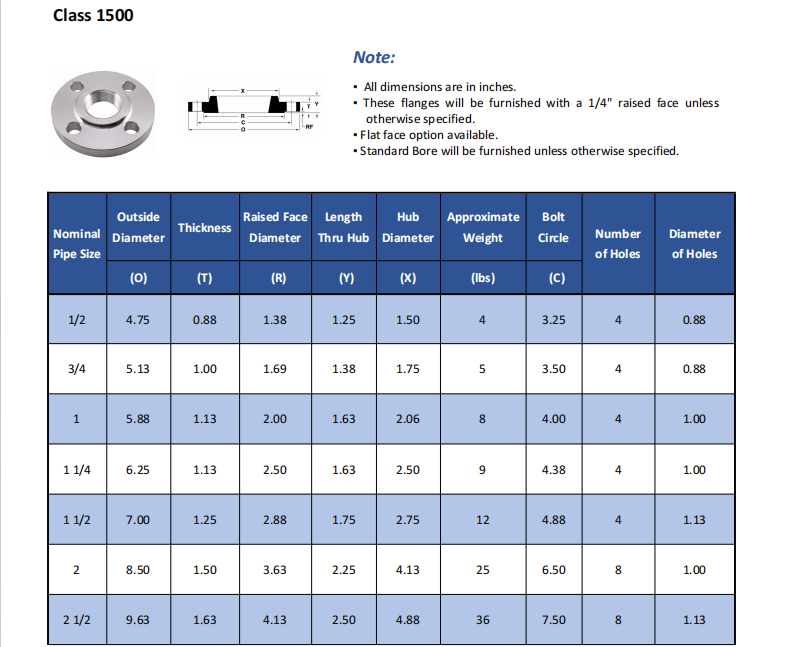
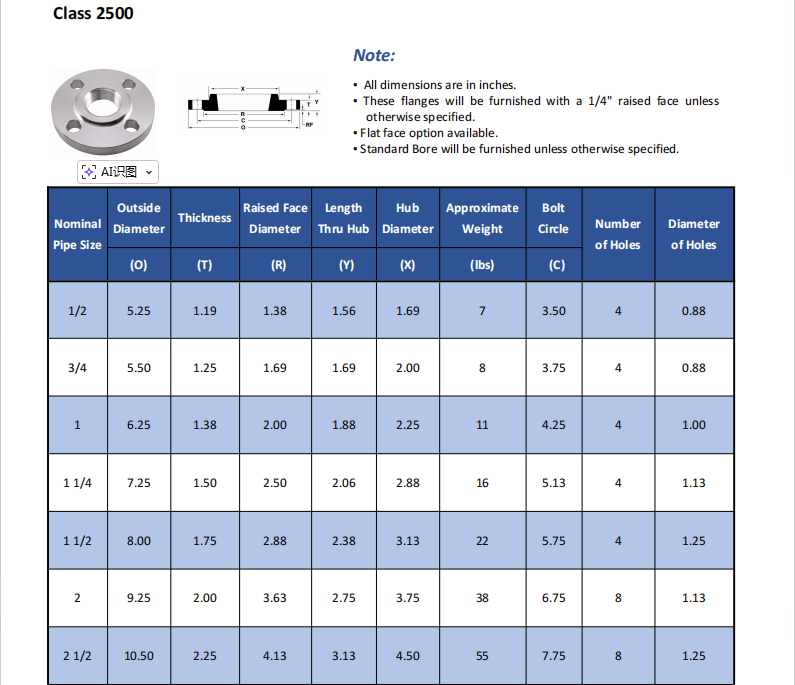
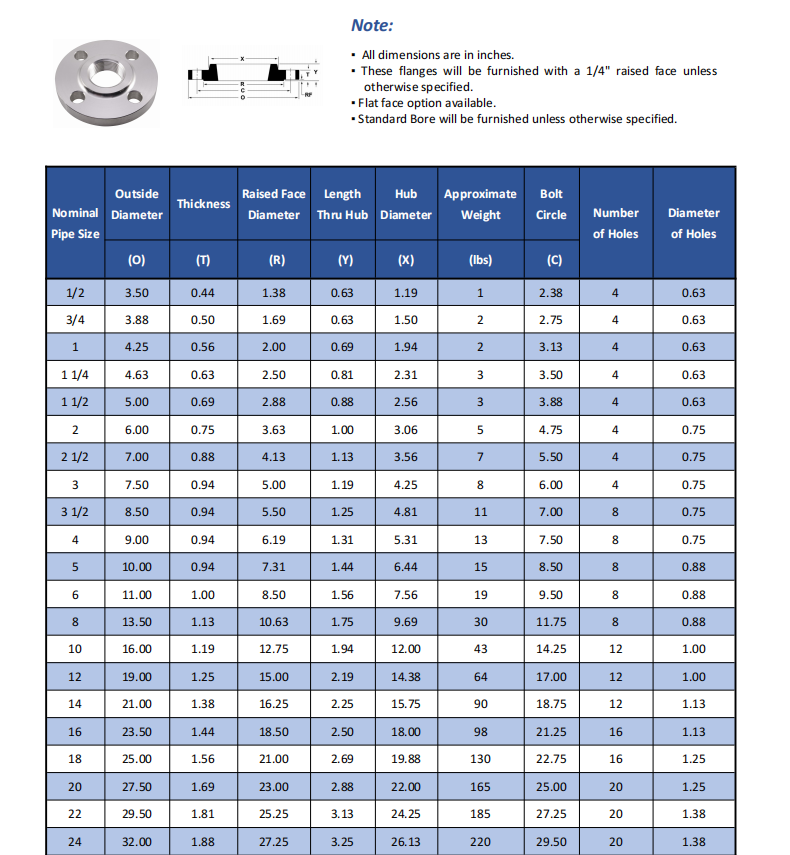
Applications of Threaded Flanges
Due to their characteristics, threaded flanges are not suitable for all industrial pipelines, but are mainly used in the following areas:
Low-pressure utility pipelines, such as low-pressure fire water pipes in buildings, some low-pressure compressed air pipelines, and certain low-pressure branch connections in urban water supply networks.
Instrument and instrument connections: Small-diameter threaded flanges are frequently seen at the interfaces of pressure gauges, level gauges, thermometers, valves, and other instruments in industrial equipment.
Threaded flanges are used in specific situations in the chemical and process industries, especially for pipe sections that require frequent disassembly and cleaning.
Threaded flanges are also used in low-pressure pipelines in oil and gas fields, and in low-pressure sections of surface gathering and transportation systems.
External connections for mechanical equipment: Process interfaces for many mechanical devices.

Connecting Threaded Flanges
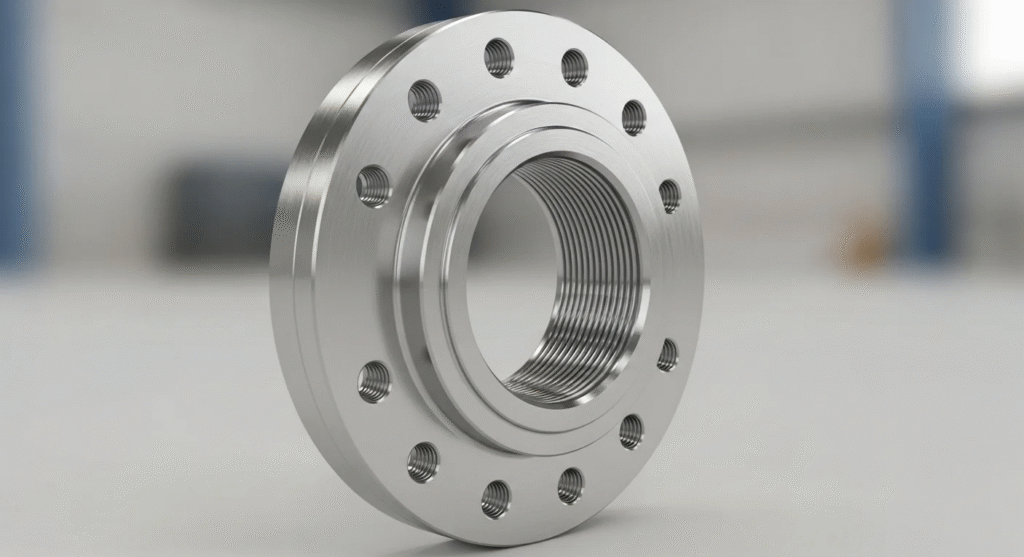
Threaded flange connections primarily rely on the tight fit of the threads and the sealing effect of the gasket.
The specific process is as follows: The inner bore of the threaded flange is machined with pipe threads, which connect to the threaded pipe, forming a preliminary mechanical connection.
To ensure a tight seal, a gasket is typically installed between the threaded flange and the pipe to prevent fluid leakage.
To further enhance the stability of the connection, threaded flanges usually also have bolt holes, ensuring good sealing performance even under harsh conditions such as high pressure, high temperature, or vibration.
How to Choose a Threaded Flange
While threaded flanges offer many advantages, they also have drawbacks. When selecting threaded flanges, four aspects should be considered:
- Pressure Rating: Choose the appropriate rating (e.g., PN16, PN25, Class 150, etc.) based on the system’s working pressure to ensure sufficient flange strength.
- Thread Type: Confirm the thread standard of the pipe or equipment to avoid leaks due to incompatibility.
- Material Matching: Select corrosion-resistant or high-temperature-resistant materials based on the transported medium. For example, stainless steel or copper alloy flanges are required for seawater transport.
- Sealing Method: Determine whether a gasket or a self-sealing threaded structure is needed based on the operating conditions.

Threaded Flanges vs Welded Flanges
| Feature | Threaded Flange | Welded Flange (Butt Weld/Slip-On) |
| Attachment Method | Screws onto externally threaded pipe. | Welded to pipe (butt weld or fillet weld). |
| Skill Requirement | Low. No hot work permit needed. | High. Requires hot work permit. |
| Installation Speed | Fast. Easy to assemble/disassemble. | Slow. Requires cutting, beveling, welding, and inspection. |
| Seal Creation | Thread engagement | Permanent, homogeneous welded joint. |
Why Choose Metleader
Metleader, one of China’s largest flange manufacturers, boasts 43 years of manufacturing history and extensive experience in flange production and export.
Metleader not only provides flanges of various specifications but also supports customization according to customer requirements.
To ensure quality, Metleader conducts rigorous quality inspections on its flanges, strictly adhering to international standards to guarantee product performance.
For those seeking flanges and pipe fittings, Metleader is an excellent supplier.
