An article to help you understand stainless steel: a beginner’s guide to advanced learning
Table of contents
- Preface
- What is Stainless Steel?
- Stainless Steel Composition Table
- Classification of Stainless Steel
- Applications of Stainless Steel
- Standards for Stainless Steel Pipes
- Common Rust Prevention Treatment Methods for Stainless Steel
- What Stainless Steel Products Can Metleader Produce?
Preface
Stainless steel is widely used in industry and agriculture; we rely on it for everything from infrastructure to daily life.
Today, this article will focus on stainless steel, analyzing its properties, classifications, and standards from an industrial application perspective, hoping to help you better understand it.
If you’d like to learn more about Metleader, please visit our YouTube channel and LinkedIn.
What is Stainless Steel?
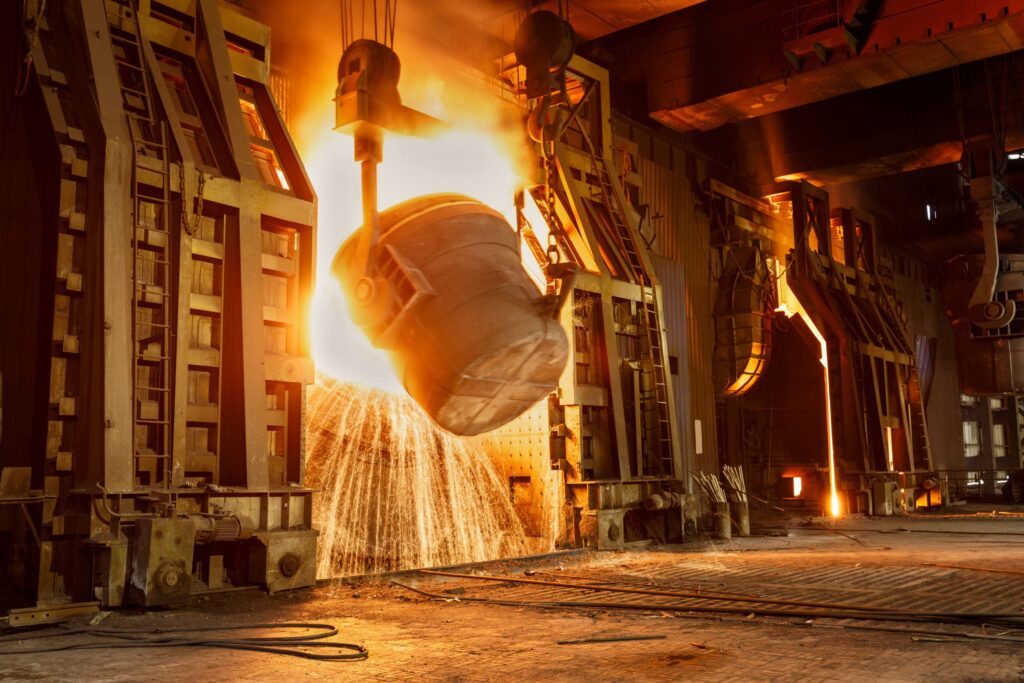
Stainless steel is a highly corrosion-resistant alloy steel material formed by adding elements such as chromium and nickel to ferrous alloys.
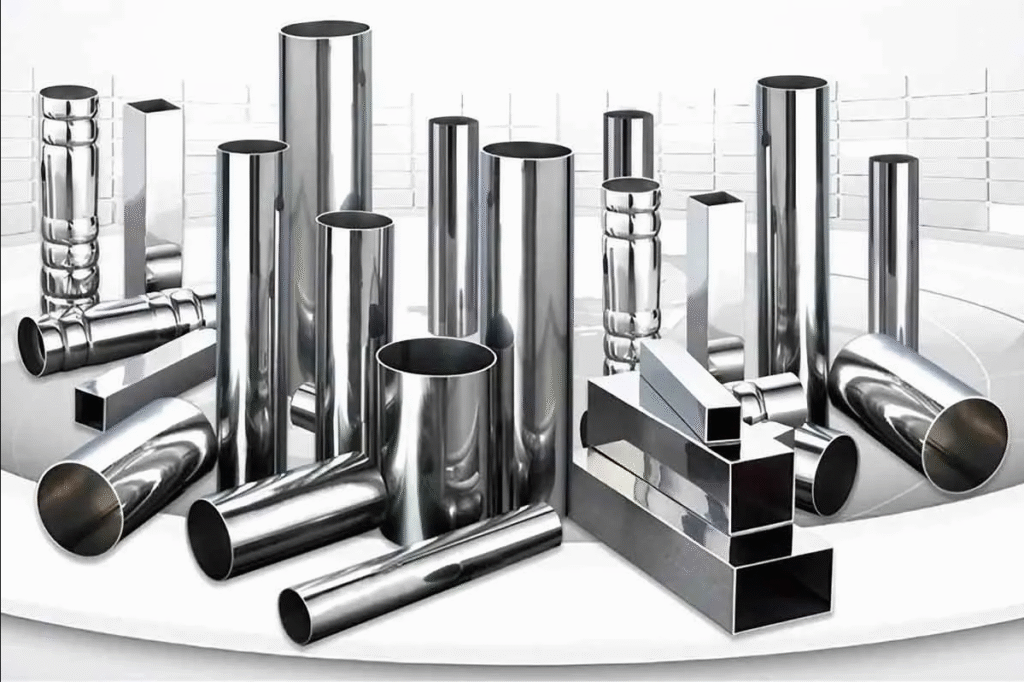
Stainless Steel Composition Table
| Category | Typical Grades | C | Cr | Ni | M | Mn | Si | N | Other | Key Characteristics |
| Austenitic | 304 | ≤0.08 | 18.0-20.0 | 8.0-11.0 | – | ≤2.0 | ≤1.0 | ≤0.10 | – | Good corrosion resistance, excellent formability, non-magnetic (may become slightly magnetic after cold working) |
| 304L | ≤0.030 | 18.0-20.0 | 8.0-13.0 | – | ≤2.0 | ≤1.0 | ≤0.10 | – | Low carbon, resists intergranular corrosion, excellent weldability | |
| 316 | ≤0.08 | 16.0-18.0 | 10.0-14.0 | 2.0-3.0 | ≤2.0 | ≤1.0 | ≤0.10 | – | Contains Mo, excellent resistance to pitting/crevice corrosion, suitable for marine environments | |
| 316L | ≤0.030 | 16.0-18.0 | 10.0-14.0 | 2.0-3.0 | ≤2.0 | ≤1.0 | ≤0.10 | – | Low-carbon version of 316, superior weldability | |
| 321 | ≤0.08 | 17.0-19.0 | 9.0-12.0 | – | ≤2.0 | ≤1.0 | – | Ti≥5*C | Ti-stabilized, resists sensitization, good high-temperature service | |
| Martensitic | 410 | 0.08-0.15 | 11.5-13.5 | ≤0.75 | – | ≤1.0 | ≤1.0 | – | – | Heat-treatable (quench & temper), high hardness, magnetic |
| 420 | ≥0.15 | 12.0-14.0 | ≤0.75 | – | ≤1.0 | ≤1.0 | – | – | Higher carbon content, very high hardness and wear resistance | |
| Ferritic | 430 | ≤0.12 | 16.0-18.0 | ≤0.75 | – | ≤1.0 | ≤1.0 | – | – | Moderate corrosion resistance (better than carbon steel), magnetic, good formability |
| 443 | ≤0.020 | 18.5-19.5 | 0.15-0.65 | – | ≤1.0 | ≤1.0 | ≤0.025 | Cu 0.30-0.60 | Corrosion resistance comparable to 304 (high Cr+Cu/Ti), cost-effective | |
| Duplex | 2205 (S32205) | ≤0.030 | 22.0-23.0 | 4.5-6.5 | 3.0-3.5 | ≤2.0 | ≤1.0 | 0.14-0.20 | – | High strength, excellent resistance to SCC, pitting, and crevice corrosion |
| 2507 (S32750) | ≤0.030 | 24.0-26.0 | 6.0-8.0 | 3.0-5.0 | ≤1.2 | ≤0.80 | 0.24-0.32 | – | “Super Duplex”, higher strength and corrosion resistance than standard duplex grades |

Classification of Stainless Steel
Depending on their microstructure, chemical composition, and application, stainless steel can be classified into several different types. Here are some common classifications of stainless steel:
Ferritic Stainless Steel
Based on their carbon content, ferritic stainless steel can be further divided into low-carbon ferritic stainless steel and high-carbon ferritic stainless steel.
Characteristics of Stainless Steel: Low-carbon ferritic stainless steel has good weldability and plasticity, making it suitable for manufacturing various furniture, kitchenware, and other products.
High-carbon ferritic stainless steel has higher strength and hardness, and is often used in the manufacture of knives and other cutting tools.

Austenitic Stainless Steel
Based on their nickel content, austenitic stainless steel can be divided into low-alloy austenitic stainless steel and high-alloy austenitic stainless steel.
Low-alloy austenitic stainless steel is suitable for manufacturing chemical equipment, ships, etc.; high-alloy austenitic stainless steel is widely used in the nuclear industry, aerospace, and other fields.
Martensitic Stainless Steel
Martensitic stainless steel has good strength and wear resistance, making it suitable for manufacturing products such as springs and blades.
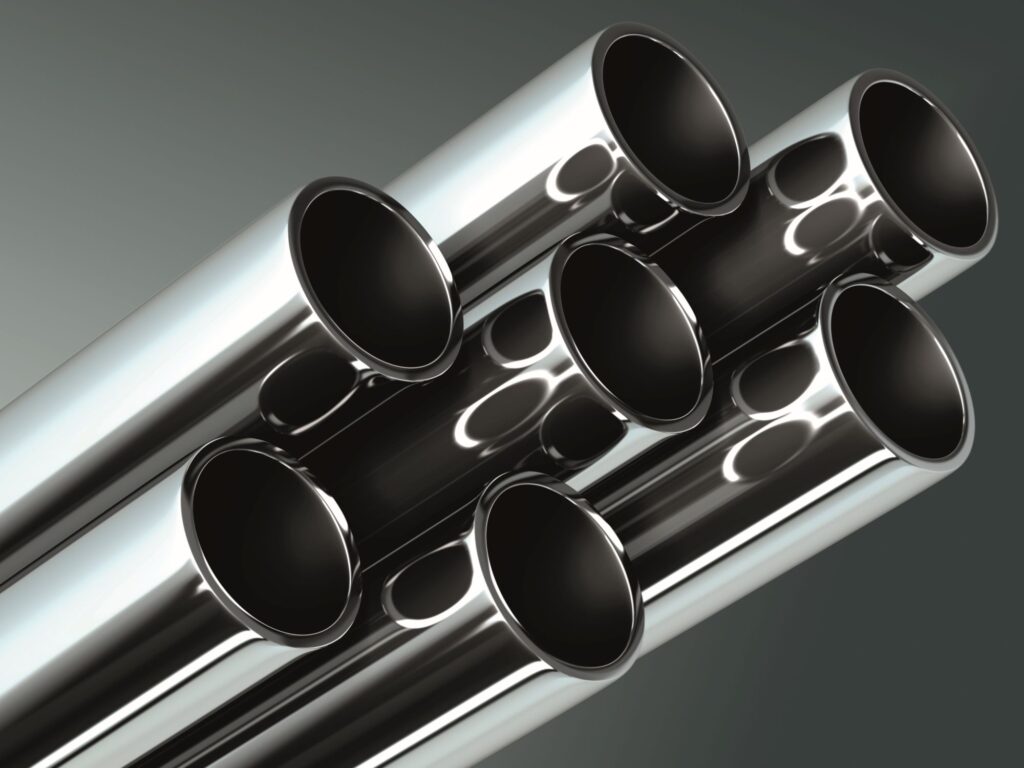
Applications of Stainless Steel
- Construction and Decoration
- Chemical and Petroleum Industry
- Food and Beverage Industry
- Medical Industry
- Automotive Manufacturing
- Water Treatment and Water Supply Systems
- Energy Industry
- Electronics and Electrical Industry
- Shipbuilding
- Furniture Manufacturing
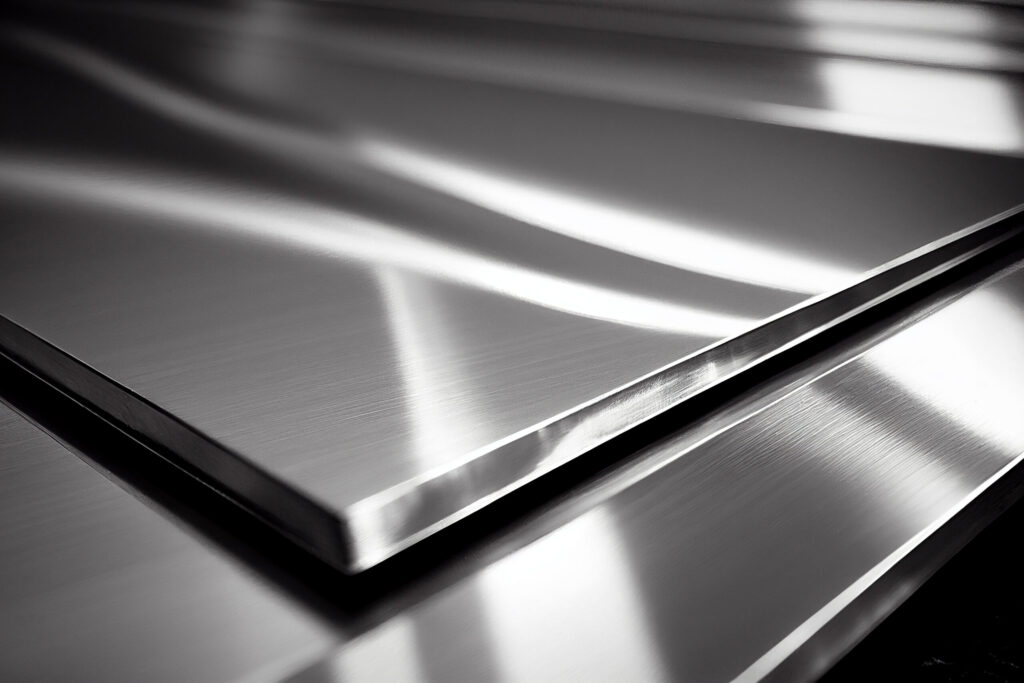
Standards for Stainless Steel Pipes
To ensure the quality and interchangeability of stainless steel pipes, the International Organization for Standardization (ISO) has developed a series of international standards for stainless steel pipes.
ASTM A312/A312M: ASTM A312/A312M is a standard for stainless steel pipes developed by the American Society for Testing and Materials (ASTM), applicable to seamless and welded stainless steel pipes for general purposes, in high and low temperature environments.
ASTM A269/A269M: ASTM A269/A269M is also a standard for stainless steel pipes developed by ASTM, applicable to seamless and welded stainless steel pipes for general purposes, in high and low temperature environments.
EN 10216-5: EN 10216-5 is a standard for stainless steel pipes developed by the European Organization for Standardization (EOQ), applicable to seamless stainless steel pipes for pressure equipment and high-temperature environments.
GB/T 14976: GB/T 14976 is a Chinese national standard for stainless steel pipes, applicable to seamless and welded stainless steel pipes for general purposes, in high and low temperature environments. JIS G3459 is a Japanese Industrial Standard for stainless steel pipes, applicable to seamless and welded stainless steel pipes for general purposes and in high-temperature environments.
BS EN ISO 1127 is a British Standard for stainless steel pipes, applicable to seamless and welded stainless steel pipes for general purposes and in high-temperature environments.
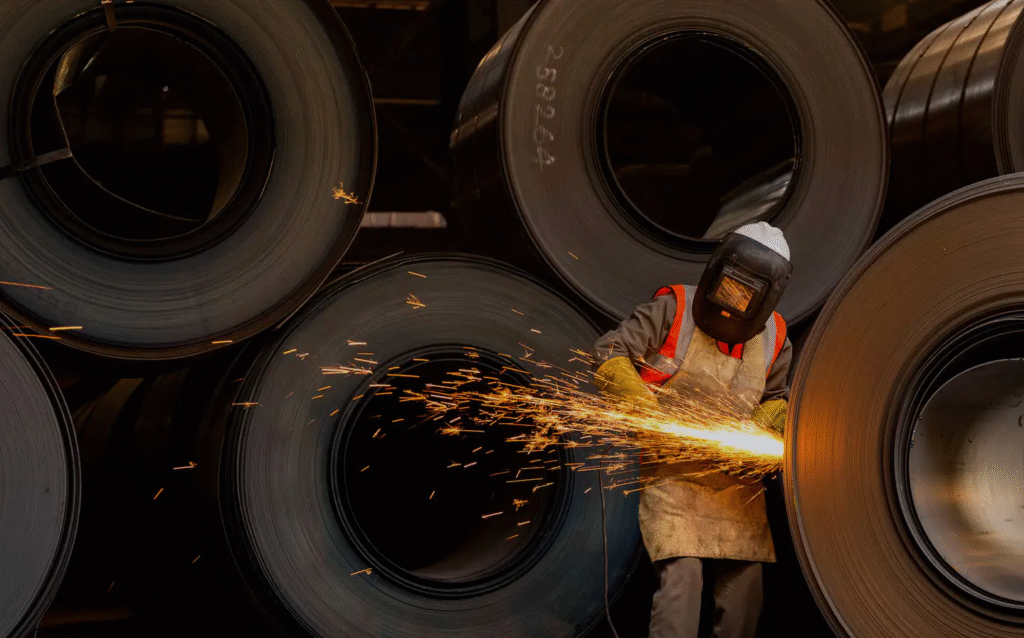
Common Rust Prevention Treatment Methods for Stainless Steel
Taking industrial stainless steel as an example, the main methods for rust prevention treatment of stainless steel include the following:
Passivation Treatment
Passivation is a chemical process that forms a dense oxide film on the surface of stainless steel to enhance its corrosion resistance.
Commonly used passivating agents include nitric acid and citric acid. After passivation, it is essential to rinse thoroughly with clean water to remove any residual chemicals.
Electrochemical Polishing
Electrochemical polishing removes tiny bumps from the surface of stainless steel, making it smoother and reducing the likelihood of corrosion. This method is suitable for applications requiring high precision.
Coating Protection
Applying rust-preventive paint or oil to the surface of stainless steel forms a protective film that isolates it from air and moisture. This method is suitable for stainless steel products that are exposed to harsh environments for extended periods.
What Stainless Steel Products Can Metleader Produce?
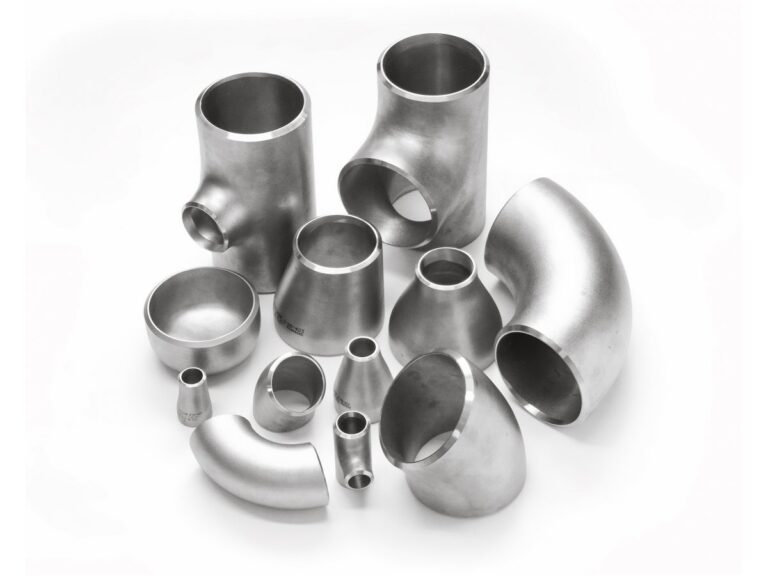
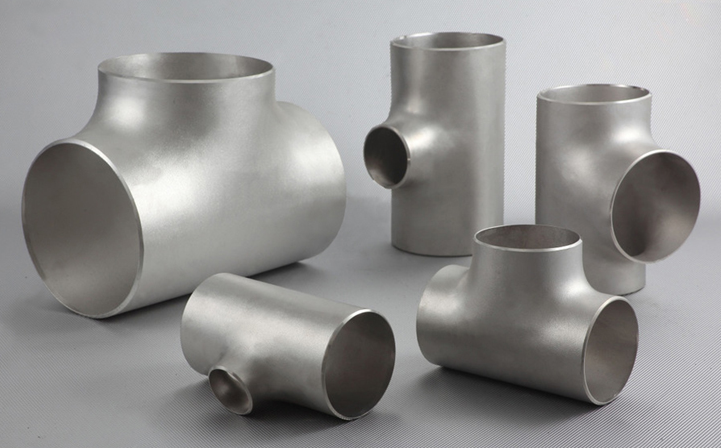
With 43 years of manufacturing experience, Metleader is committed to producing high-quality stainless steel products, including stainless steel pipes, flanges, elbows, reducers, pipe caps, and matching gaskets and bolts.
All products are manufactured in strict accordance with international standards to ensure full compliance.
To protect customer rights, Metleader supports customization according to customer requirements and allows third-party on-site quality inspections. Customers are welcome to visit our factory for on-site inspections.
Our products are exported to over 80 countries, serving thousands of customers and participating in hundreds of large-scale projects, demonstrating the high performance and reliability of Metleader products.
We seek cooperation with global partners!