
Everything you need to know about flange couplings
Table of contents
- Preface
- What is a flange coupling?
- Working principle of a flange coupling
- Characteristics of a flange coupling
- Function of a flange coupling
- Applications of a flange coupling
- Flanged couplings VS. straight shaft couplings
- Selection and precautions for flange couplings
- Summary
Preface
Flange couplings are a common type of mechanical transmission device. This article introduces their working principles, characteristics, and functions, providing a detailed overview of the fundamentals of flange couplings.
If you would like to learn more about Metleader, you can follow us on YouTube and LinkedIn.
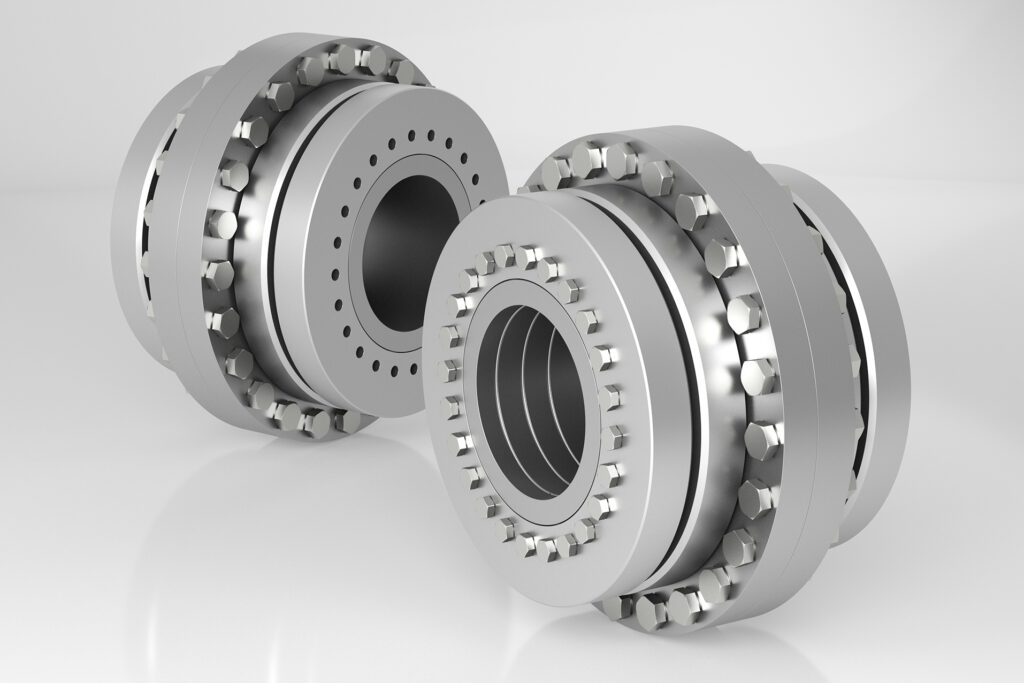
What is a flange coupling?
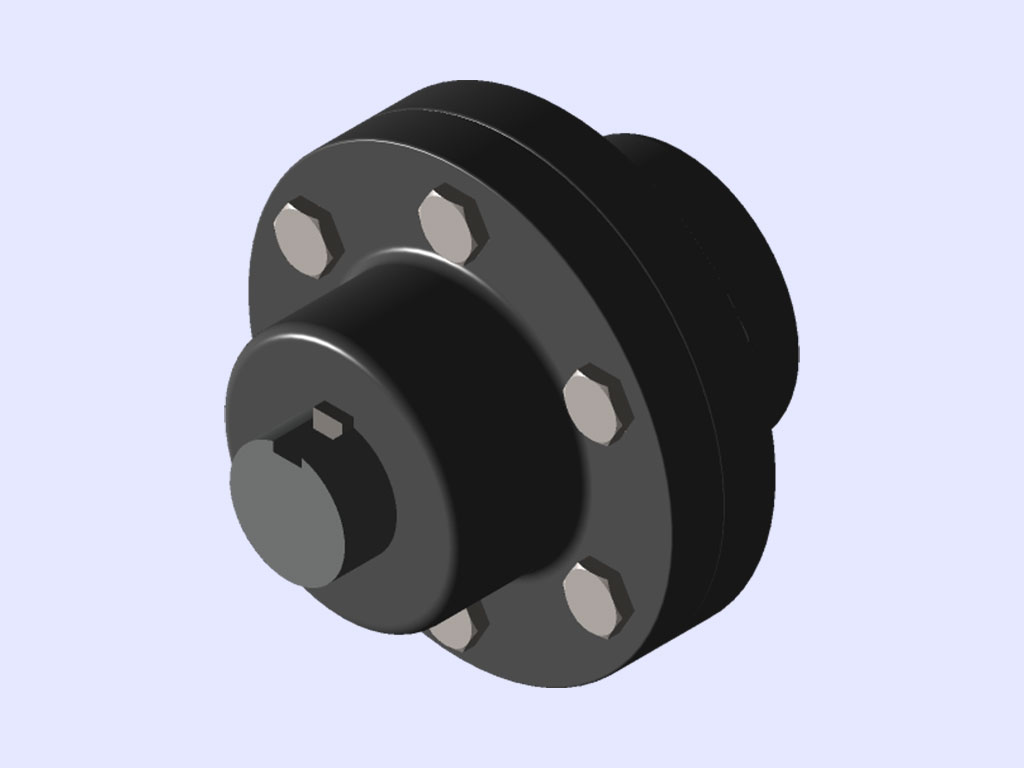
A flange coupling is a mechanical transmission device, typically installed on two shafts of mechanical equipment, used to transmit torque and rotational motion.
It consists of two flanges and a flexible element, which connect the two shafts.
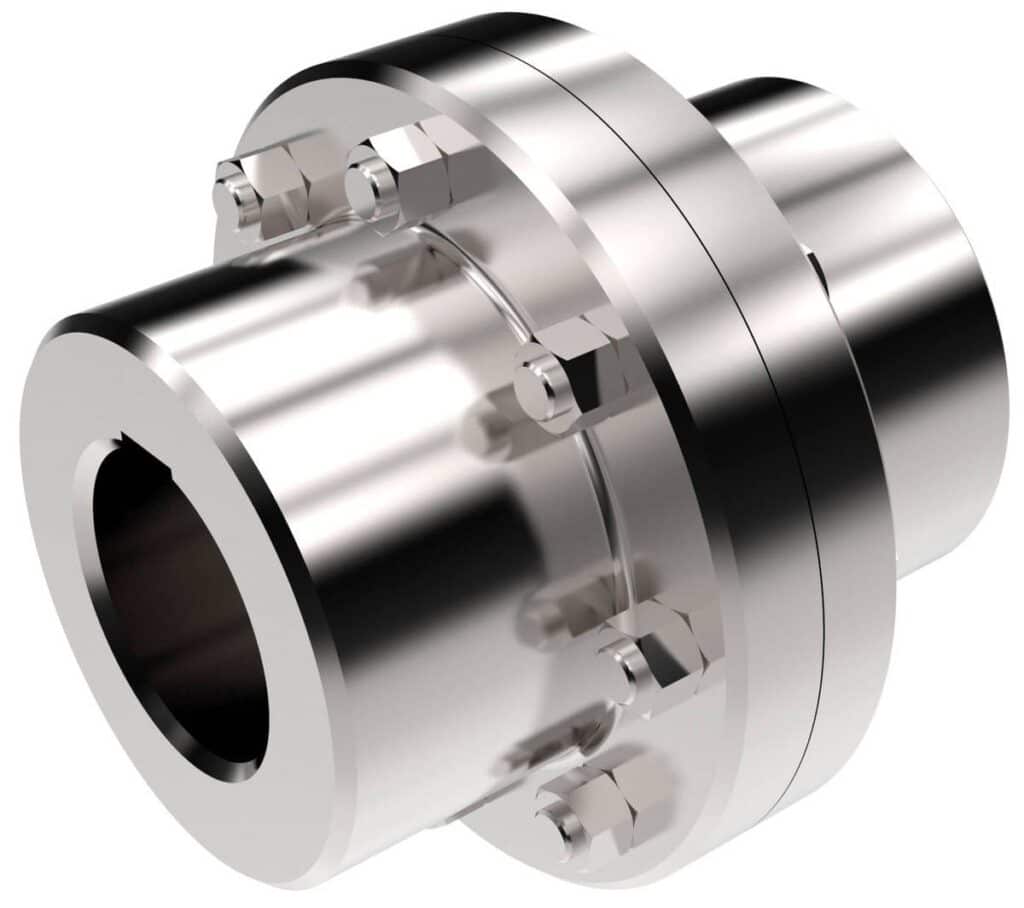
Working principle of a flange coupling
Flange couplings, through the interconnection of flanges, enable relative movement and torque transmission between two rotating shafts.
When one shaft rotates, the torque is transmitted to the other shaft via the coupling, thus achieving power transmission between the two shafts.
The flange design allows it to absorb a certain amount of axial displacement and angular misalignment, ensuring the normal operation of the transmission device.
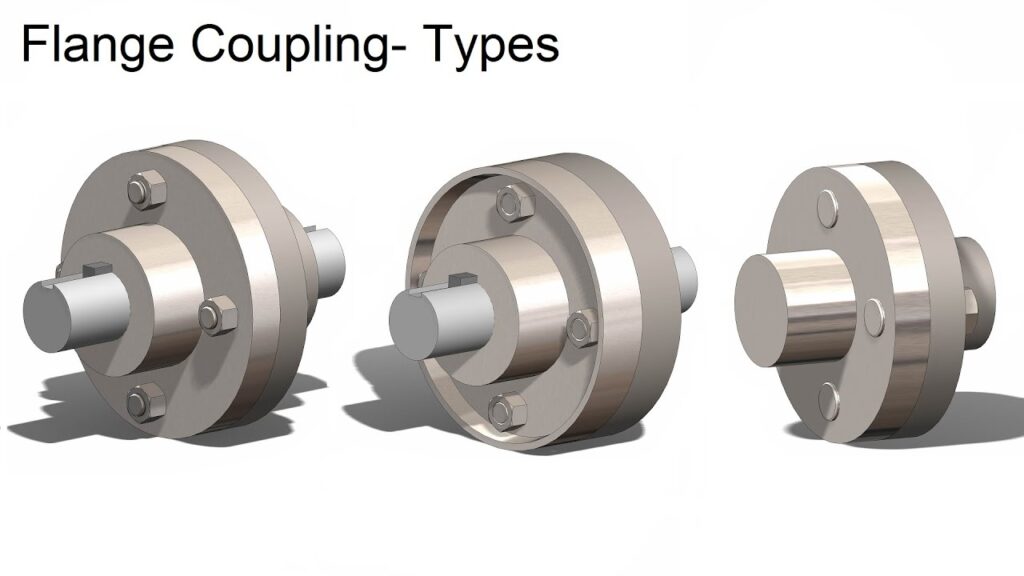
Characteristics of a flange coupling
Simple Structure: Flange couplings have a relatively simple structure, making them easy to manufacture and install, and suitable for various environments and applications.
High Torque Transmission: Due to their bolted connection, flange couplings can transmit large torques, making them suitable for heavy-duty and high-speed transmission systems.
Axis Misalignment Compensation Capability: Flange couplings have a certain axis misalignment compensation capability, which can reduce the impact of axis misalignment to some extent.
Easy Maintenance: Flange couplings are easy to disassemble and replace, facilitating routine equipment maintenance.

Function of a flange coupling
Load Bearing: Flange couplings can withstand high torque and torsional strength, ensuring the stability and reliability of mechanical transmission.
Motion Transmission: Flange couplings can transmit rotational motion from one shaft to another, enabling the entire mechanical system to operate normally.
Vibration and Shock Reduction: Due to the presence of elastic elements, flange couplings can mitigate vibration and shock in mechanical transmissions, reducing mechanical wear and vibration noise.
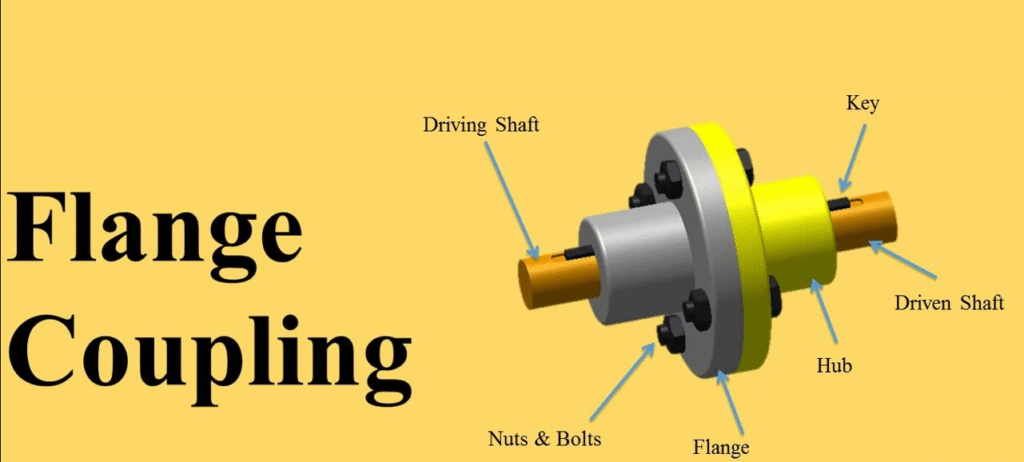
Applications of a flange coupling
Metallurgical Industry: Flange couplings are widely used in metallurgical equipment in steel mills, non-ferrous metal plants, and other metallurgical applications.
Petroleum and Chemical Industry: Flange couplings are also commonly used in petroleum and chemical equipment.
Food and Pharmaceutical Industry: Flange couplings also play an important role in food and pharmaceutical processing equipment.
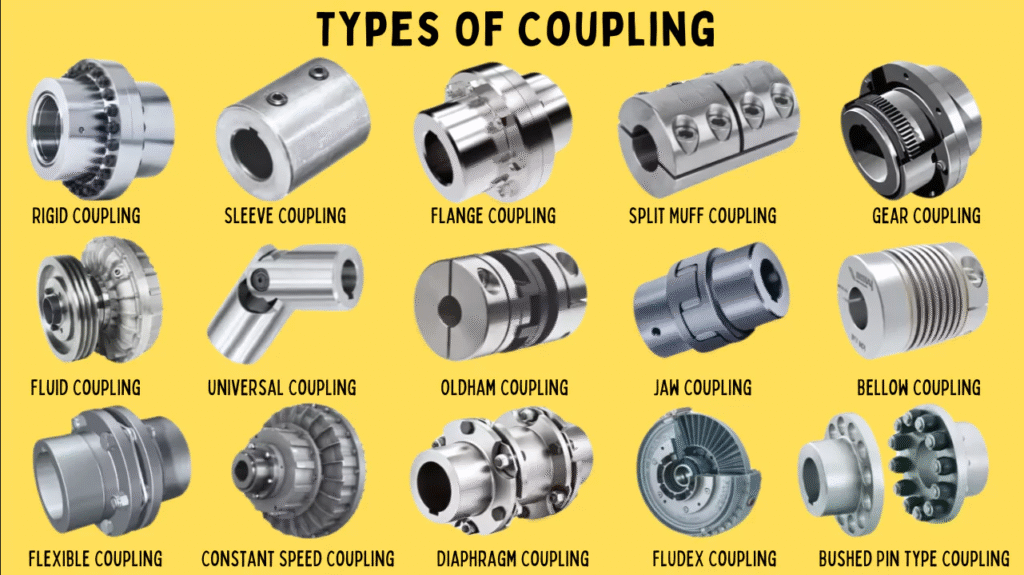
Flanged couplings VS straight shaft couplings
Flange couplings are connectors that attach flanges to two shafts, connecting them together.
They are widely used in high-load, high-speed transmission systems such as generator sets, compressors, and water pumps.
Straight-shaft couplings are a simple type of coupling, connecting two shafts on two parallel bearings.
They can withstand small torques and are suitable for low-load, low-speed transmission systems in agricultural machinery and light industrial machinery.
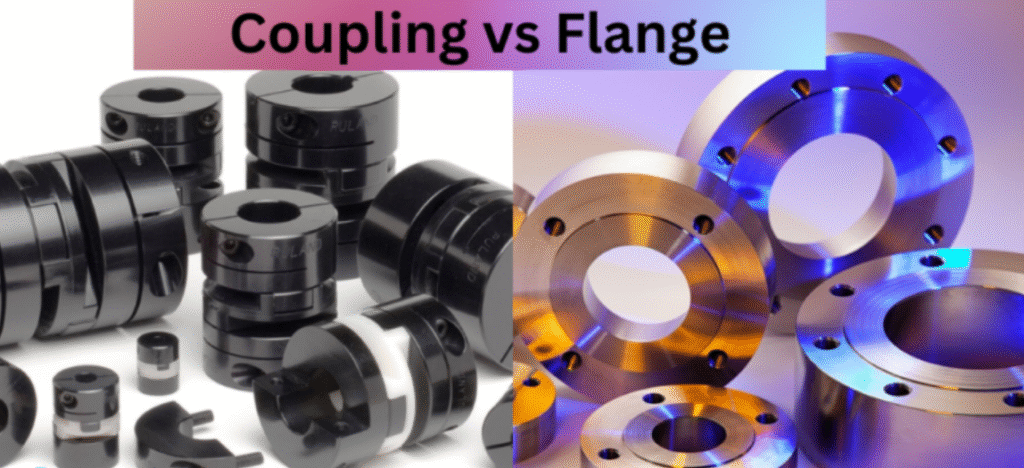
Selection and precautions for flange couplings
When selecting flange couplings, the following factors need to be considered:
- Transmitted Torque: Based on the equipment’s operating requirements and conditions, select the appropriate flange coupling model to ensure that the transmitted torque meets the requirements.
- Axis Misalignment: In practical applications, axis misalignment is unavoidable due to manufacturing and installation errors. The axis misalignment compensation capability of the flange coupling needs to be considered during selection.
- Working Environment: The working environment of the flange coupling will also affect its performance.
- Safety: Safety must also be considered when selecting flange couplings.
Summary
Flange couplings, as important mechanical transmission components, play an indispensable role in industrial production.
By understanding their basic concepts, characteristics, applications, and selection considerations, you can better select and use flange couplings, ensuring the normal operation and maintenance of equipment.
Metleader specializes in manufacturing various types of flange pipe fittings, providing high-quality products for businesses. If you have any needs in this area, please contact our engineers.
